

Japanese Curry (3 Ways)
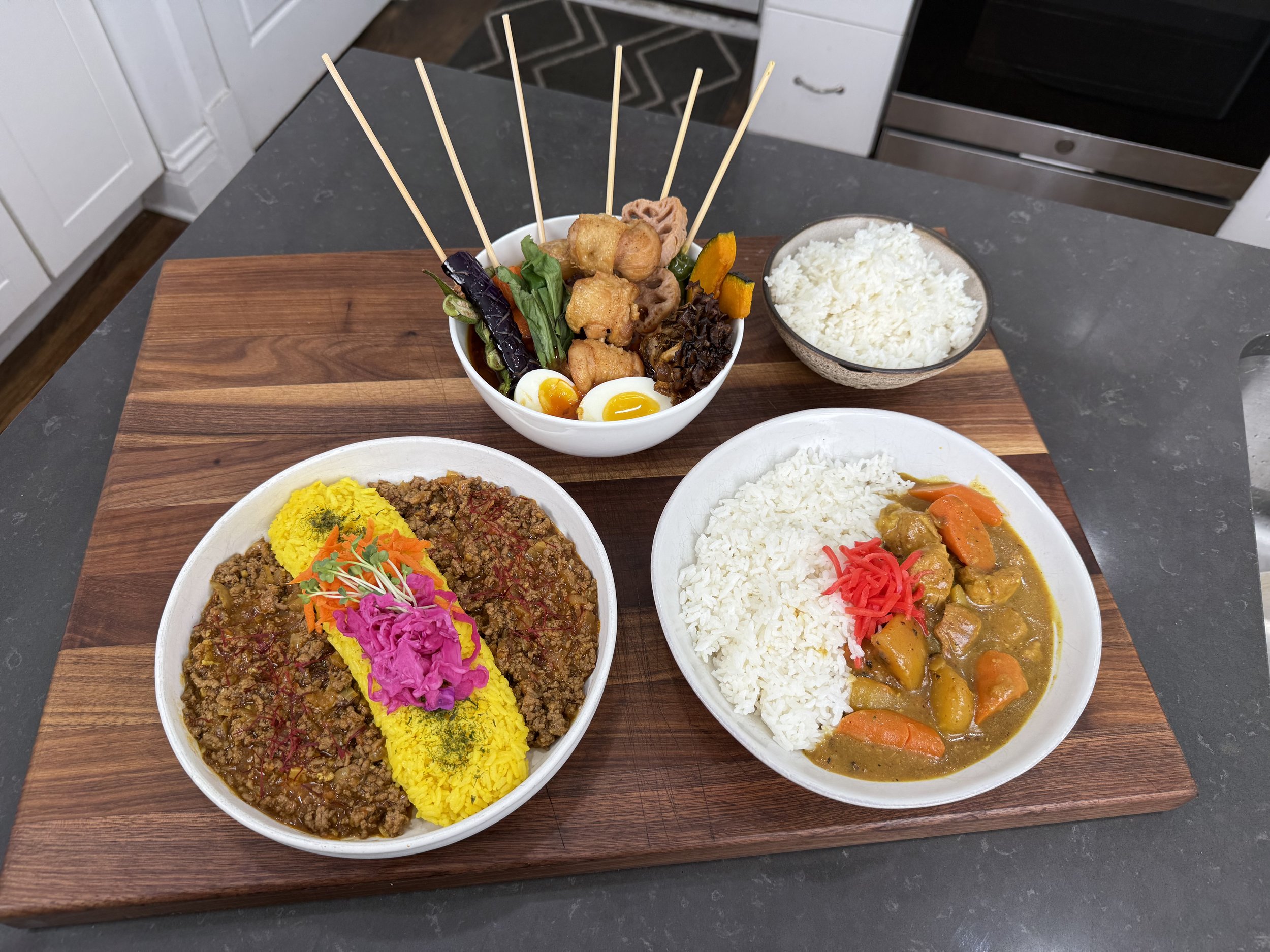
Japanese curry is not one single recipe. It is an entire spectrum of dishes that grew in different regions across Japan. The classic Japanese Navy Curry, also known as Kaigun Kare, is the version most people outside Japan have tried. It came from an Anglo Indian style brought through the British Navy in the late 1800s, and it became a staple of Japanese home cooking because it was hearty, simple, and comforting. Travel to Hokkaido and you meet Sapporo Soup Curry, a completely different experience. It has a light and aromatic broth, whole fried vegetables prepared with the su age technique, and a spice profile that leans brighter and more Southeast Asian. It could not be more different from the thick curry most people picture when they hear the words Japanese curry.
Osaka takes the idea even further with Spice Curry, a newer and highly creative movement built by independent chefs who ignore all the rules. Here you find keema style ground meat, Japanese ingredients, turmeric rice, fresh herbs, and colorful plates layered with pickles and aromatics. Every plate tastes different from the last because creativity is the whole point. Together, these three curries show how Japan adopted curry and transformed it into something uniquely its own. For anyone searching for Japanese curry recipes, Sapporo Soup Curry, Osaka Spice Curry, or the history of Japanese curry, this is a look at how varied and exciting these dishes truly are.
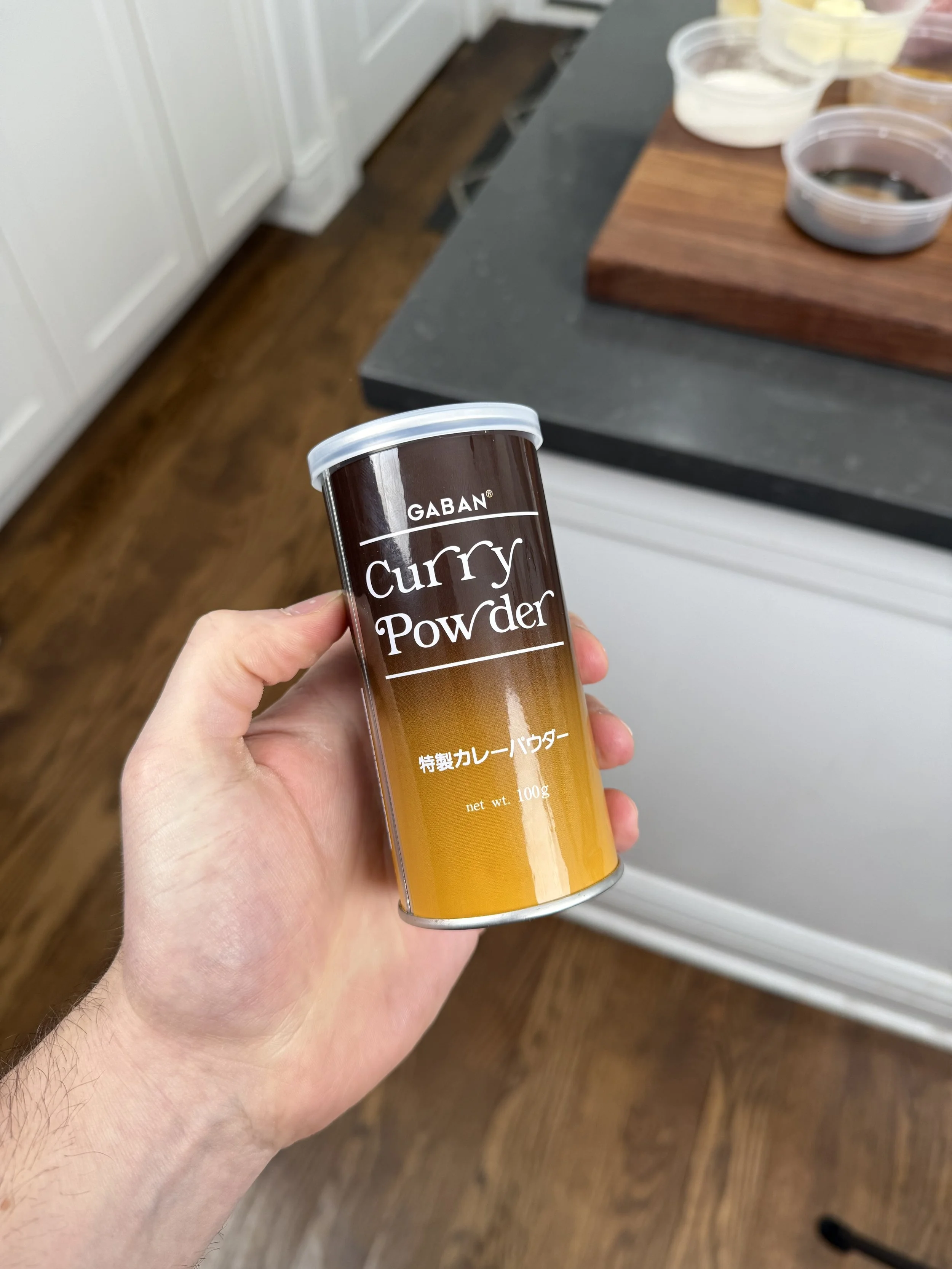
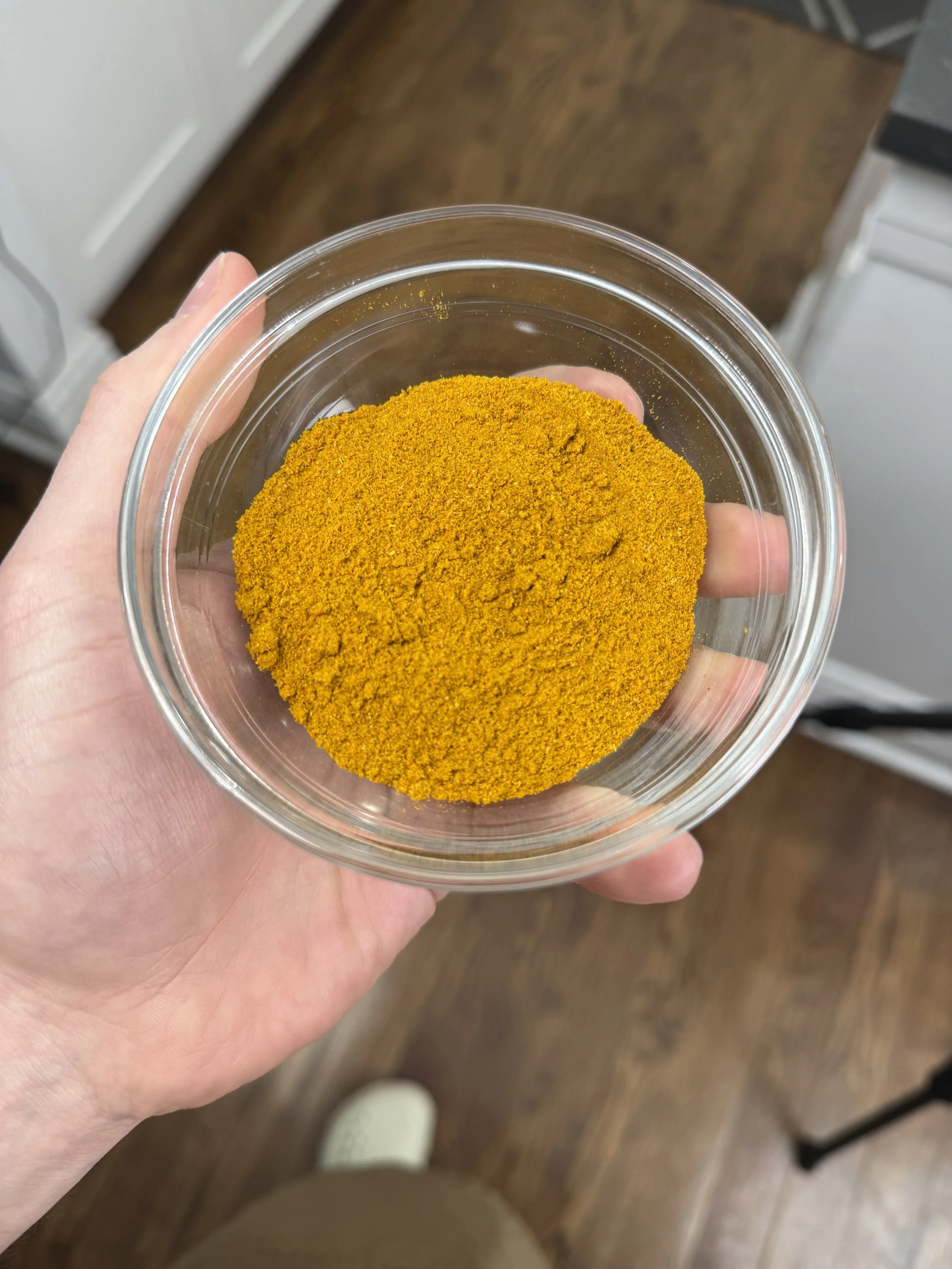
Stuff I Use...
Japanese “Navy” Curry (original)
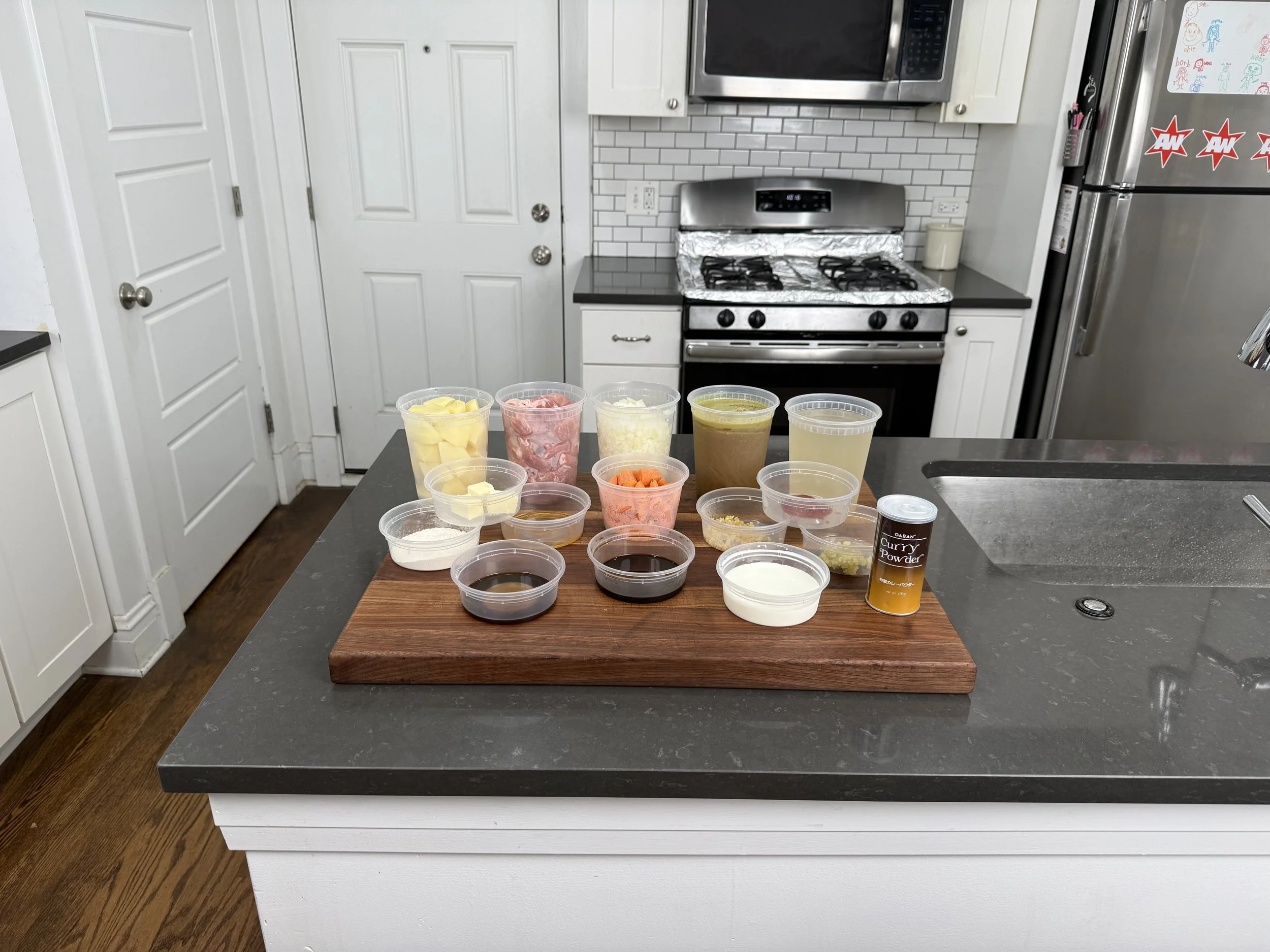
Japanese curry began in the late 1800s, when the Imperial Navy adopted British-style curry stew to prevent beriberi among sailors. Today, it's a national comfort dish. This version sticks to the navy roots: beef simmered with potatoes, carrots, and onions in a rich curry roux. Worcestershire sauce, dashi, and a splash of milk give it deep umami and nostalgic warmth.

Original Japanese Curry
Ingredients
Instructions
- Heat vegetable oil in a large pot over medium-high heat. Season meat with salt and pepper, then sear on all sides until browned. Remove and set aside.
- In the same pot, reduce heat to medium-low and melt butter. Add onions and cook until caramelized, about 15–20 minutes. Stir in garlic and ginger.
- Sprinkle in flour and curry powder, stirring constantly for 2–3 minutes until it forms a thick, golden roux.
- Gradually add dashi and chicken stock while stirring to prevent lumps.
- Return the seared meat to the pot, then add carrots, potatoes, Worcestershire sauce, ketchup, soy sauce, and sugar.
- Cover and simmer on low heat for 45–60 minutes, stirring occasionally, until the meat is tender and the curry has thickened.
- Taste and adjust seasoning with salt, pepper, and a splash of milk for richness.
- Serve hot over steamed rice with optional pickles. A glass of milk on the side makes it authentically navy-style.
Sapporo Soup Curry
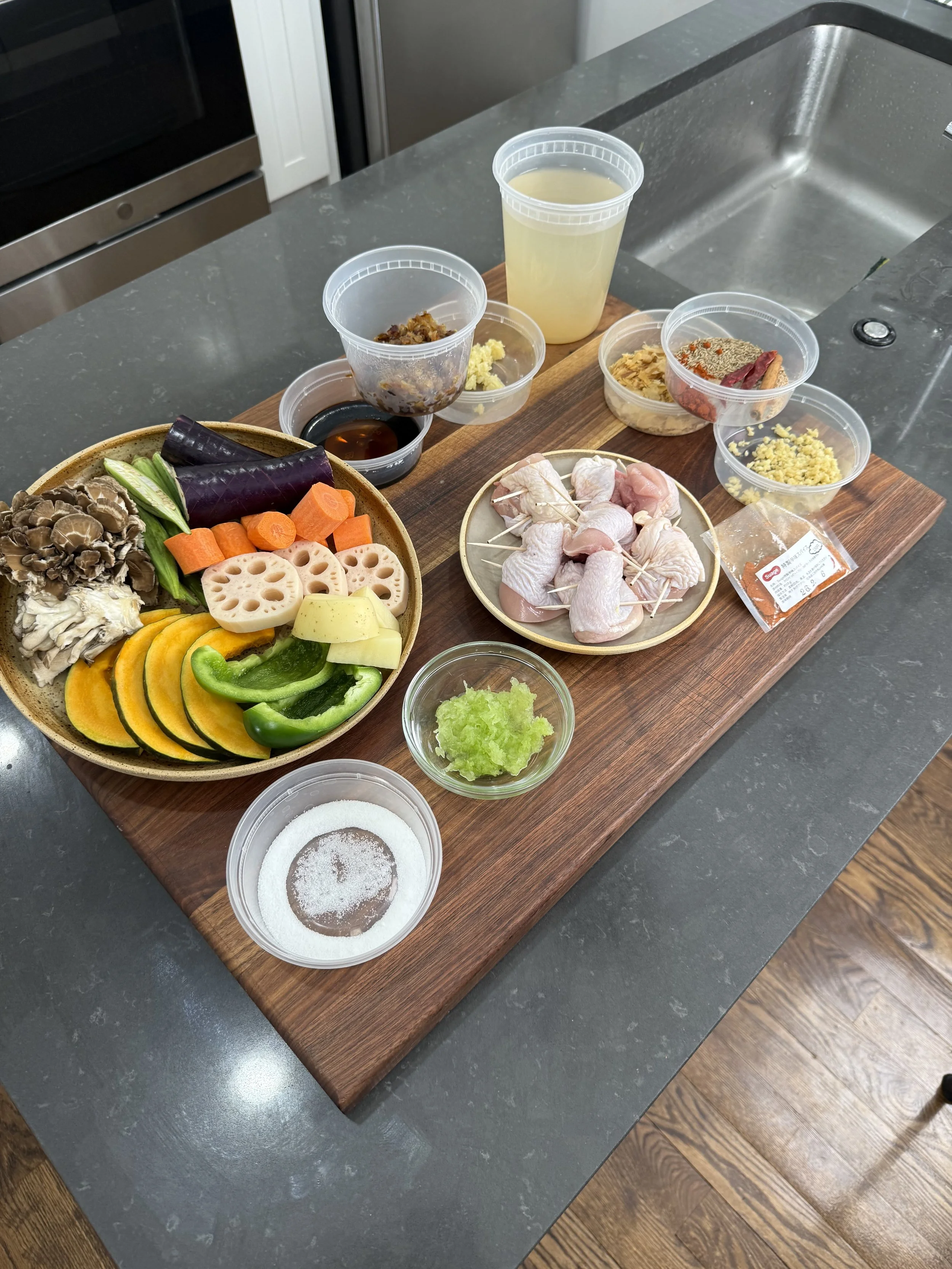
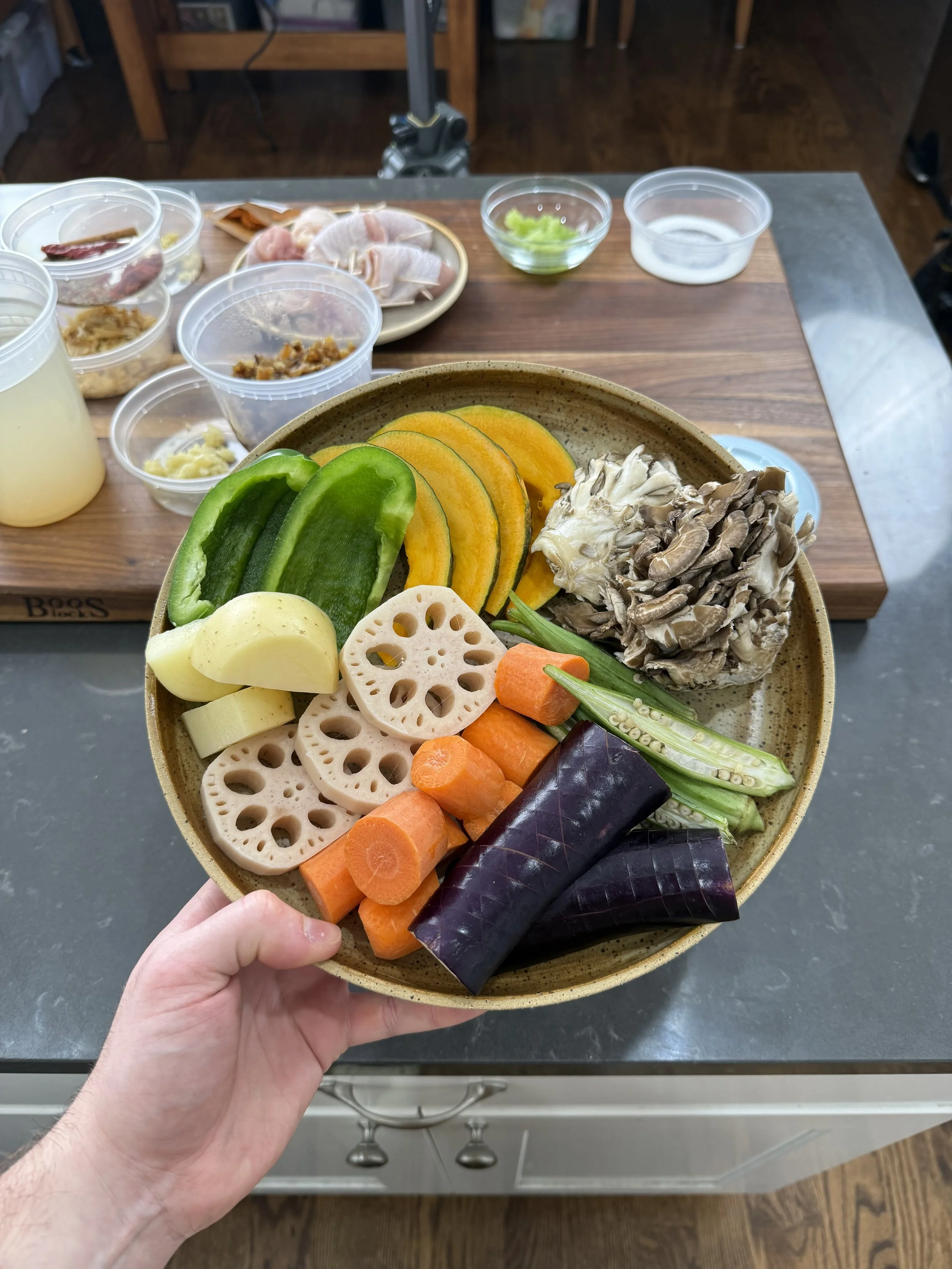
Soup curry emerged in the 1970s in Sapporo, Hokkaido, as a lighter, spice-driven alternative to the thick roux curries popular elsewhere in Japan. This version draws from Suage-style shops, with a clear broth made flavorful with garlic, ginger, and spices. Fried seasonal vegetables and tender chicken round it out, offering texture and depth in every spoonful.

Sapporo Soup Curry
Ingredients
Instructions
- Add a splash of oil to a pot over low heat, stir in onions with two pinches of salt, cover, and cook for 20 minutes. Uncover and stir often until deeply golden and jammy, about 30–40 minutes total.
- Season chicken thighs with salt and pepper, rest for 15 minutes. Sear in a pot with oil until deeply browned on both sides. Remove and set aside.
- In the same pot, heat ¼ cup rice oil. Add cinnamon stick and dried chili over low heat, then cumin seeds, garlic, and ginger. Cook 3 minutes. Turn off heat and stir in celery, paprika, sugar, caramelized onion, and nutmeg.
- Return chicken to the pot, add 4¼ cups water and hondashi granules, and bring to a gentle boil. Skim foam. Simmer for 20 minutes, then add soy sauce and 1 tsp salt. Simmer 5 more minutes. Adjust seasoning.
- Parboil potatoes for 6–7 minutes until barely tender, then drain and dry. Prep all other vegetables as listed.
- Heat oil to 350°F (175°C). Fry carrot until tender and browned, then potato until golden, then kabocha and eggplant until soft, then bell pepper until blistered, then mushrooms until edges darken. Lightly salt all after frying.
- Stir bonito flakes into soup just before serving. Place chicken in bowls, top with fried vegetables, ladle soup over, and serve with steamed rice.
Osaka Spice Curry
Osaka’s take on curry leans bold, fast, and flavor-packed—reflecting the city’s street food culture. This keema-style version blends Japanese and South Asian influences, using ground meat, soy sauce, and warming spices to create a quick-simmered curry. Served with turmeric rice and pickled vegetables, it's a modern evolution of Japan's curry obsession.

Osaka Spice Curry
Ingredients
Instructions
- Heat oil in a pan over medium heat and sauté onion until deeply golden.
- Add garlic and ginger, stirring for 30 seconds.
- Add ground meat and brown thoroughly, breaking it up.
- Mix in tomato and optional tomato paste, cooking until thick and jammy.
- Add curry powder, cumin, turmeric, chili powder, garam masala, and salt; toast for 30 seconds.
- Stir in water or dashi and soy sauce; simmer for 5–10 minutes until thickened. Finish with a dash of garam masala and optional lemon juice.
- Rinse rice thoroughly and combine with water, turmeric, salt, and oil in a rice cooker or pot. Cook as usual and fluff when done.
- Plate rice, sprinkle with ao-nori, spoon over the keema curry, and garnish with pickled carrots, purple cabbage, and any additional toppings.


Disclaimer: I earn commission income with qualifying purchases made through Amazon’s Affiliate program and other affiliate links in this description.
