

Tucked away in Seoul, 柯潭 (Gadam) is a Chinese restaurant — or more precisely, a Jungguksik spot — serving up the Korean-Chinese comfort food that locals have loved for generations. The sign reads 中食堂, meaning "Chinese dining hall," and the vibe matches… no-frills, unpretentious, and clearly built on reputation rather than aesthetics.
Korean-Chinese cuisine is its own beast, distinct from anything you'd find in China or a Western Chinatown. These dishes were shaped by Chinese immigrants in Korea over a century ago and evolved into something uniquely Korean. Kodam looks like exactly the kind of old-school spot that's been doing it right for decades, the kind of place where regulars don't even look at the menu. The two we’re focusing on today are my favorites, Tangsuyuk (crispy pork) and Jajangmyeon (savory noodles).
Stuff I Use...
Jajangmyeon (Savory Black Noodles)
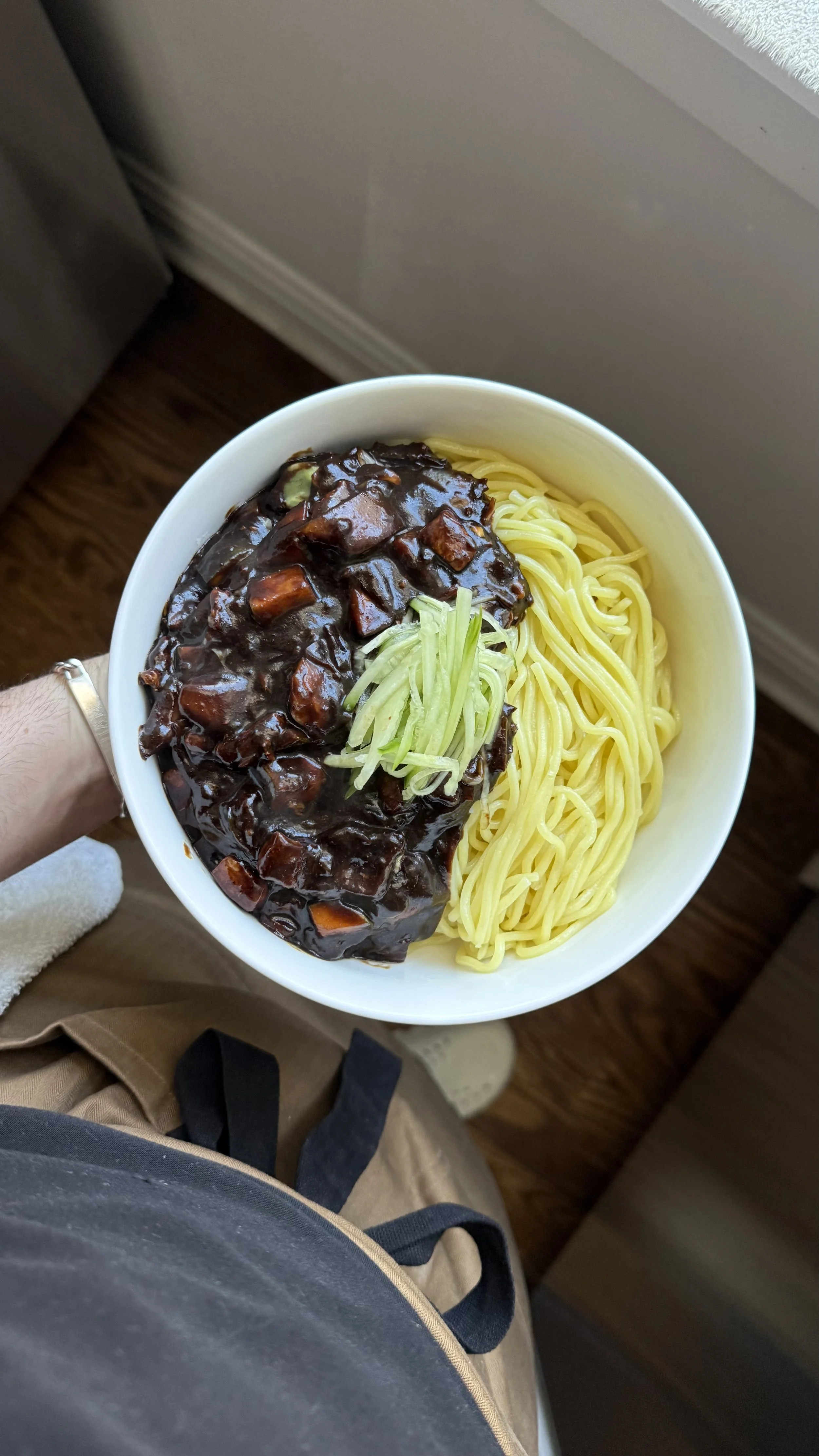
This Jajangmyeon is inspired by my grandma’s recipe.
Jajangmyeon (자장면) is the ultimate Korean-Chinese comfort dish: thick chewy noodles blanketed in a rich, savory black bean paste sauce with pork and vegetables. It's deeply satisfying, cheap, and so culturally embedded that April 14th is literally "Black Day," the day singles eat it alone to mourn their loveless Valentine's.
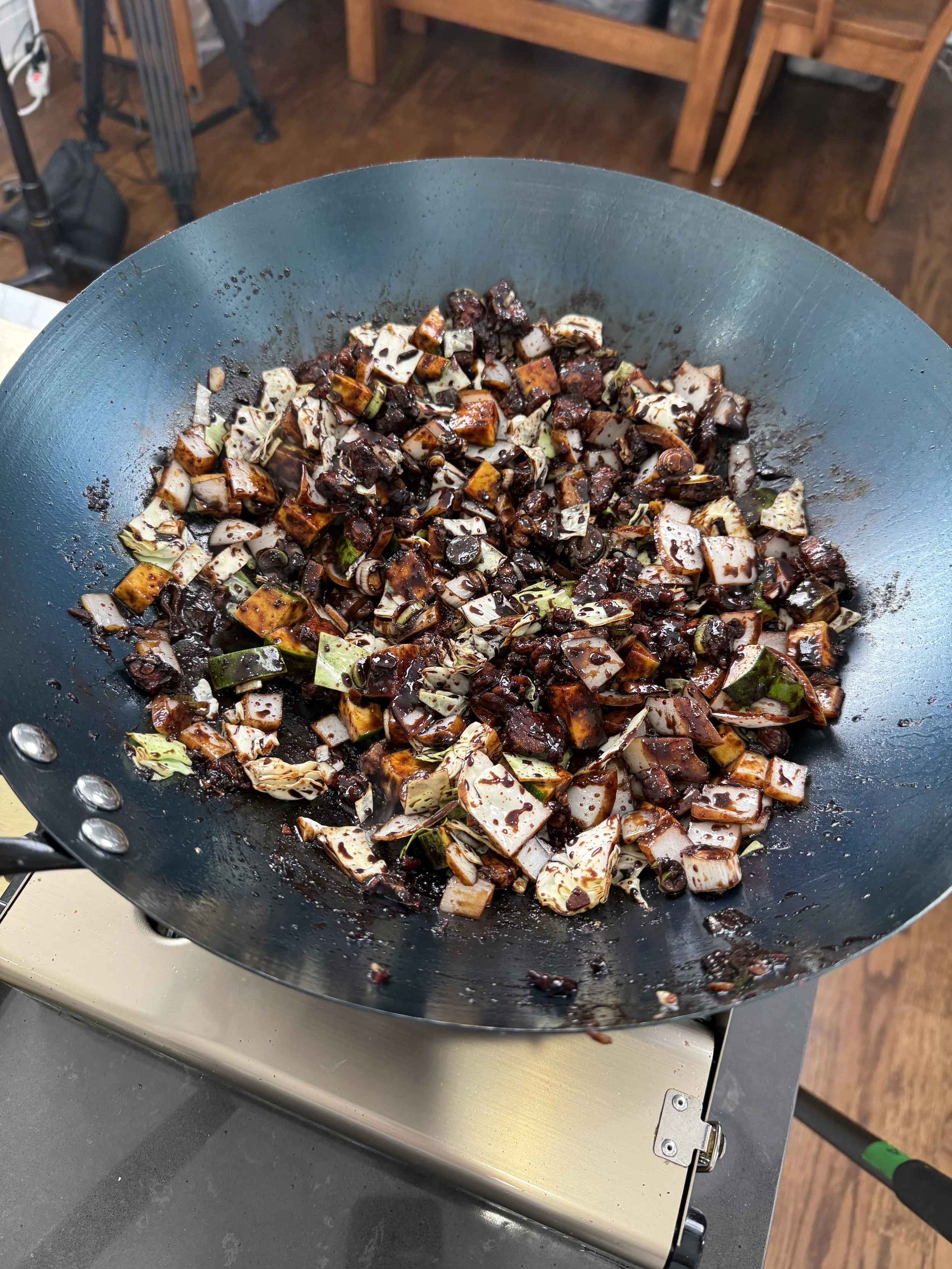
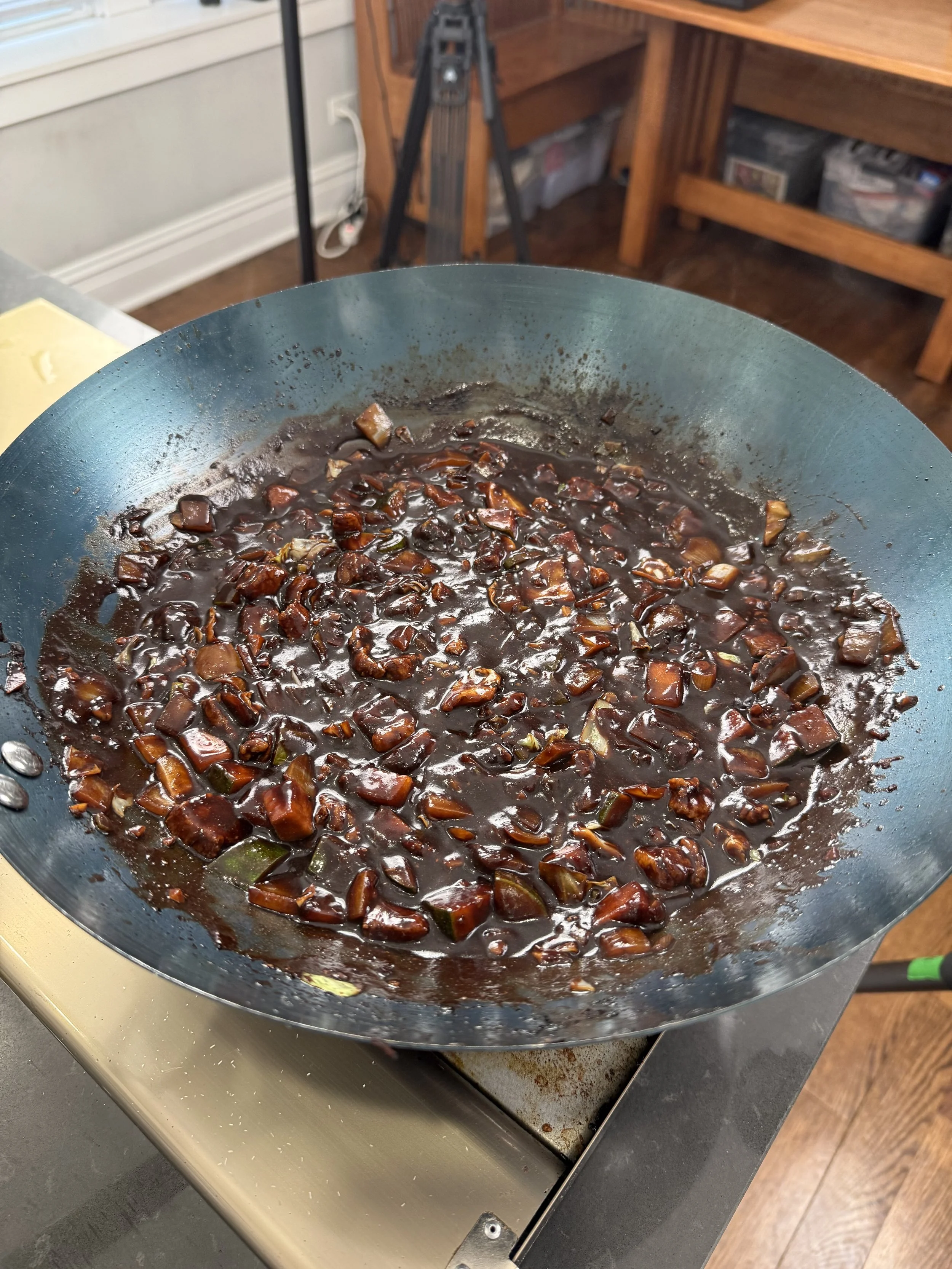

Jajangmyeon (Savory Black Noodles)
Ingredients
Instructions
- Cut pork belly into lardons. Dice onion and cabbage into small pieces. Slice scallions.
- Heat oil in a wok or large pan over high heat. Add pork belly, garlic, and ginger and stir-fry until the pork begins to lightly sear.
- Add chunjang and stir-fry constantly to cook off the moisture in the paste. The mixture will darken significantly. Add soy sauce and stir-fry briefly until fragrant.
- Add onion, cabbage, and scallions and toss everything together to coat. Stir-fry until the vegetables begin to soften and absorb the paste.
- Add oyster sauce and stock. Stir to combine and bring to a simmer. Cook for 5 to 8 minutes until the sauce is deeply flavored and the vegetables are tender.
- Taste and adjust with sugar and MSG as needed. Stir in the potato starch slurry gradually until the sauce is glossy and coats the back of a spoon.
- Boil noodles for about 2 minutes, drain, and plate. Spoon sauce generously over the noodles.
- Garnish with thinly sliced cucumber, yellow pickled radish, raw diced white onion, and extra chunjang on the side.
Tangsuyuk (Crispy Sweet & Sour Pork)
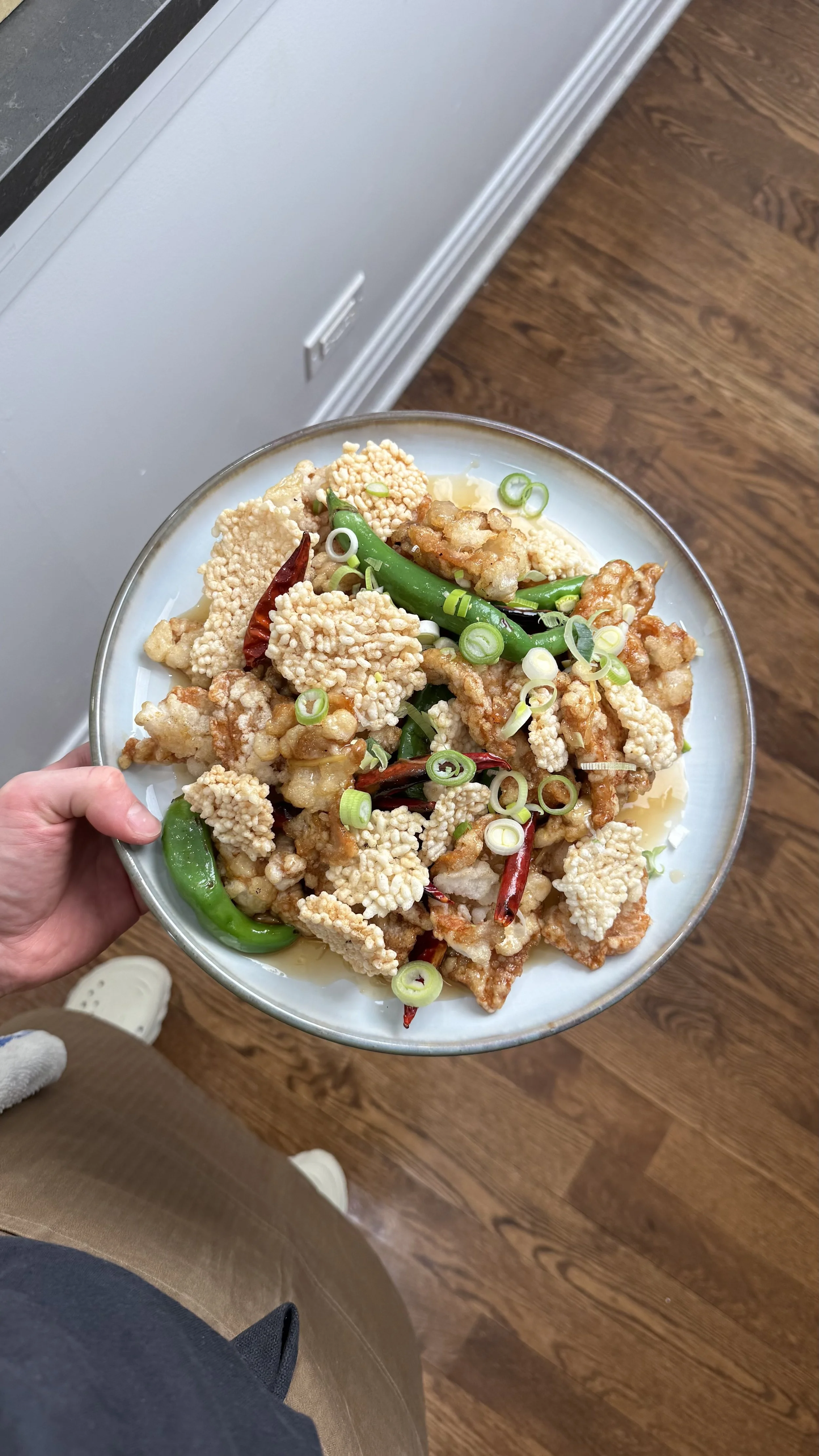
This Tangsuyuk recipe is inspired by my boy @ChefChrisCho and my experience at Gadam in Seoul, South Korea.
Tangsuyuk (탕수육) is Korea's beloved answer to sweet and sour pork: crispy fried meat doused in a glossy, tangy sauce loaded with vegetables and fruit. There's even a cultural debate about whether to pour the sauce over the meat (bu먹) or dip it (찍먹) and people have serious opinions on this.
One reason I loved the version at Gadam in Seoul so much are the crispy fried glutinous rice cakes. Unless you live near a Korean market, they aren’t the easiest to come by. I tried finding a link for them online but didn’t have any luck. However just copy & paste this phrase here and show somebody who works at the store and they might be able to help you: “Twigim Chapssal (튀긴 찹쌀)”

Tangsuyuk (Korean Sweet & Sour Pork)
Ingredients
Instructions
- Combine all sauce ingredients and mix well. Taste and adjust — it should be bold and tangy on its own as it mellows once on the pork.
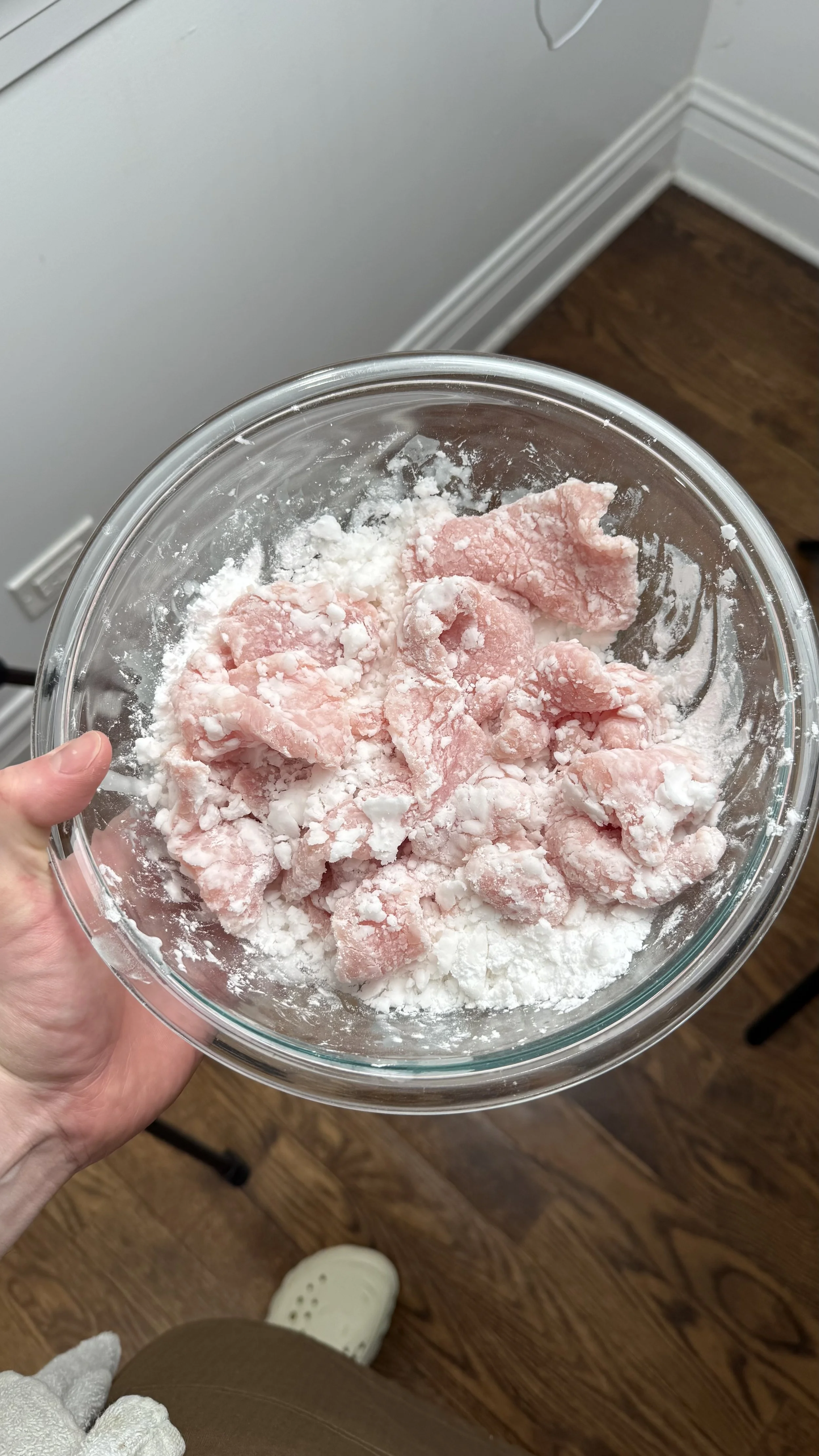
- Add pork to a bowl with potato starch and hand-toss to coat. Add water and mix until a thick batter forms. Leave any dry starch in — it creates crispier bits.
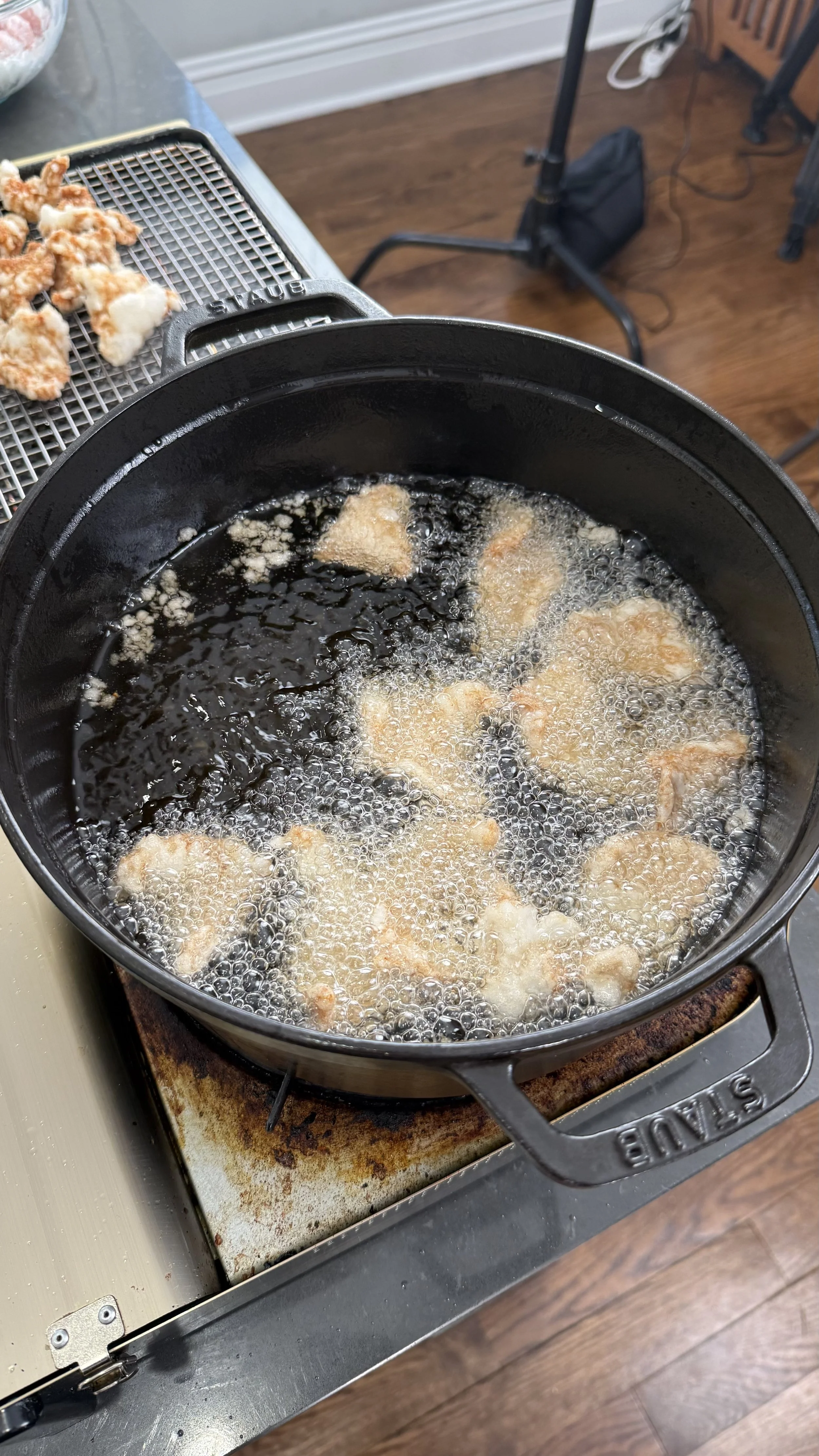
- Heat 2–3 cups of oil to 350°F. Add battered pork one piece at a time, scraping up any starch from the bottom as you go. Don't force apart pieces that stick together.
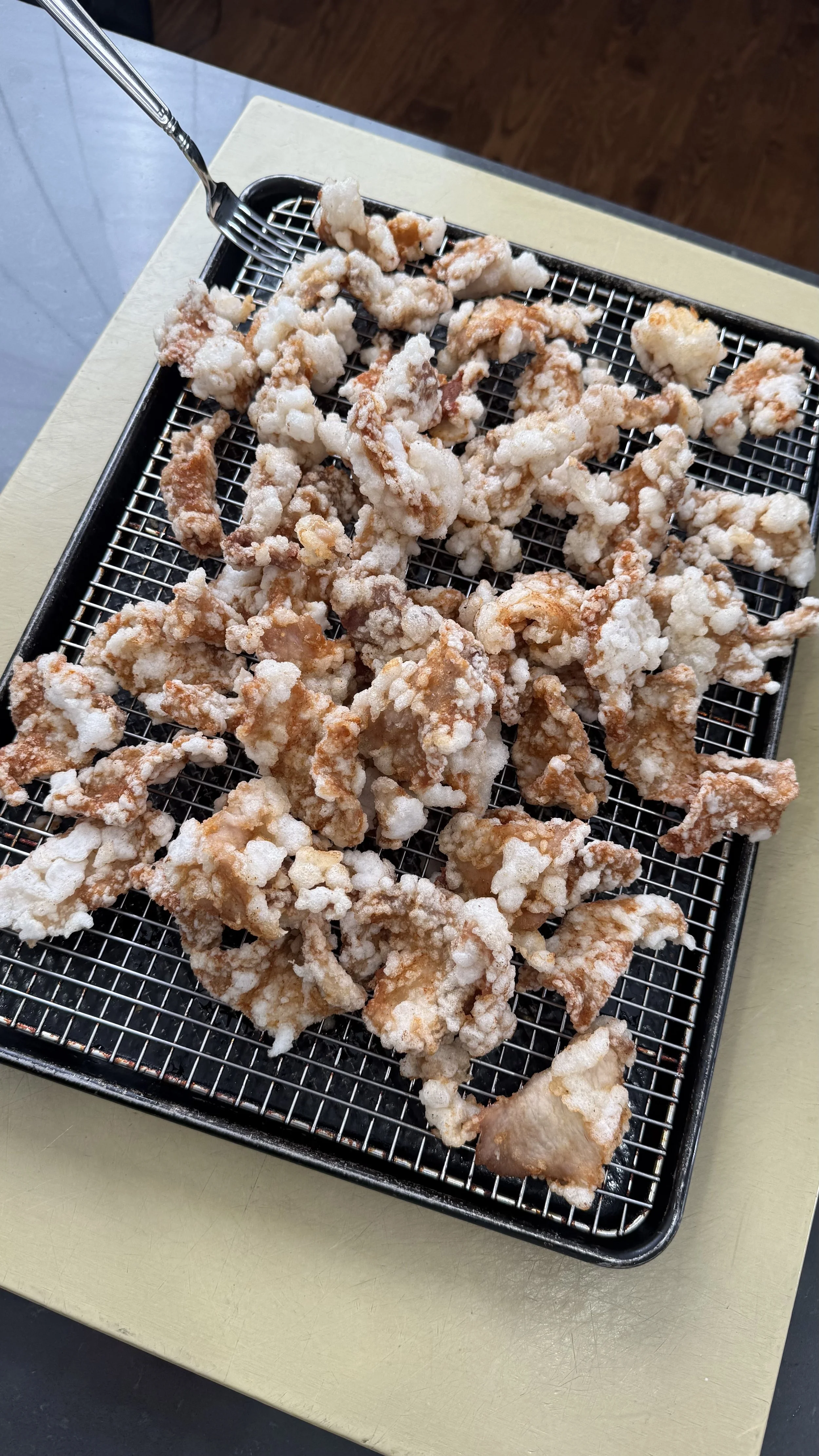
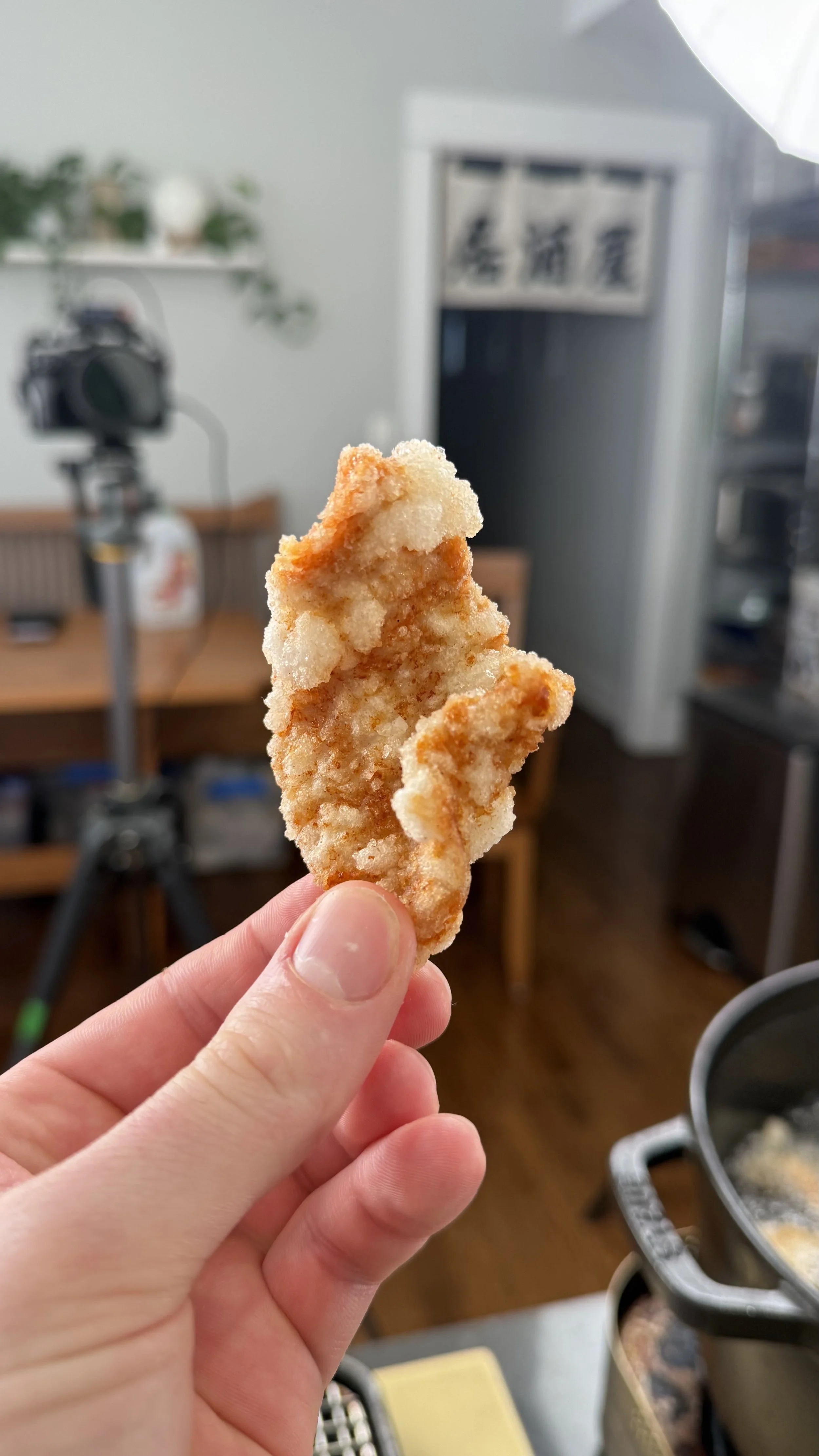
- Fry for at least 6 minutes. Once the crust is set and golden, remove the pork in one mass and slap it apart with a wooden spoon. Return to the oil, tapping occasionally to release steam and improve crunch.
- Bring sauce to a simmer. Add slurry gradually, stirring constantly, until glossy and lightly thickened. Set aside.
- In a hot wok or pan, stir fry the fried pork with green pepper and dried red chili briefly — just enough to get some color and heat on the vegetables.
- Pour sauce onto the plate first. Add the stir-fried pork on top. Finish with crispy rice crackers scattered over the plate. Serve immediately.
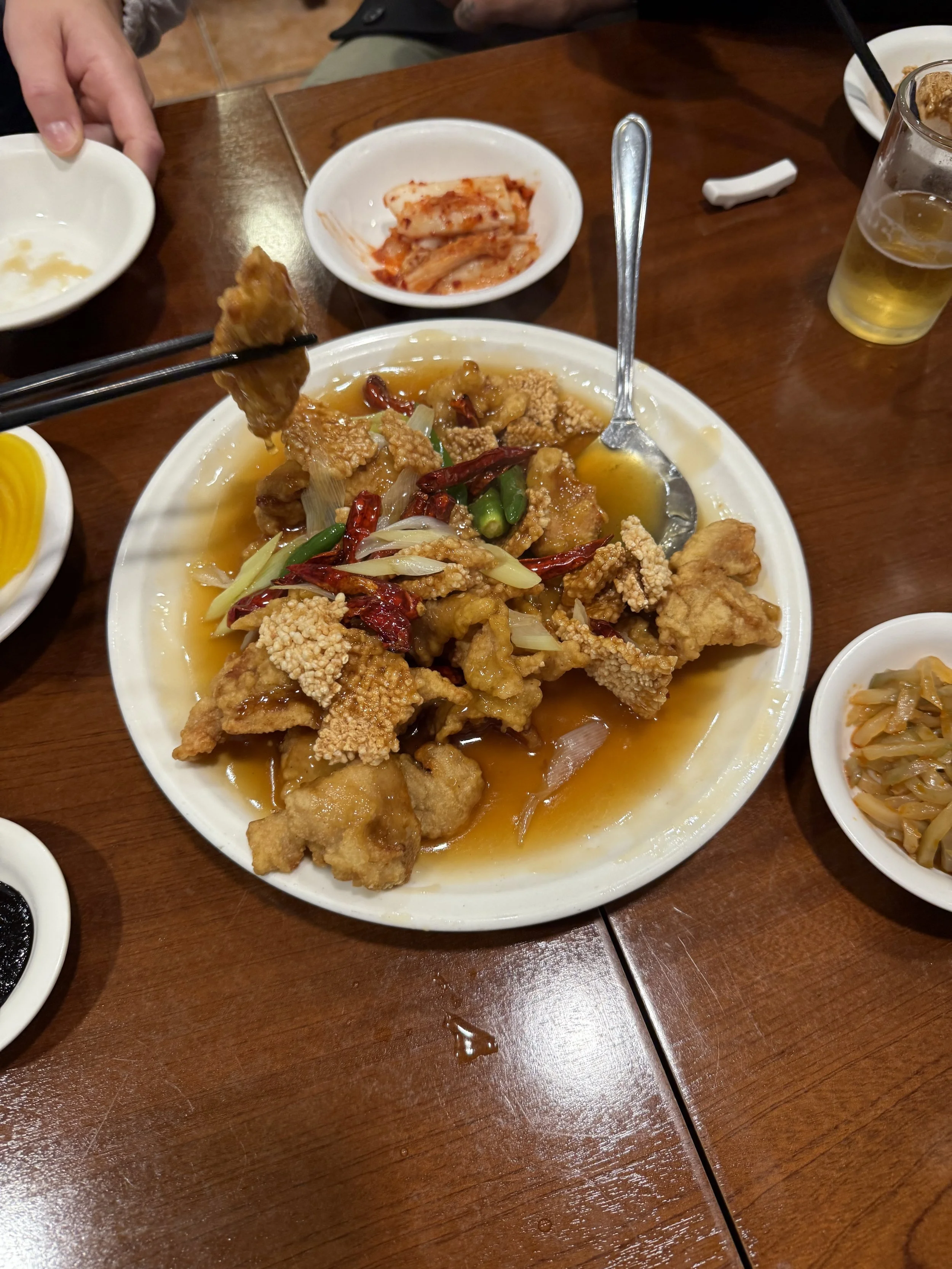
Here’s a shot of the Tangsuyuk from Gadam. I spaced out and forgot to add scallions to my version, but you certainly can. Also, serve with kimchi!
Disclaimer: I earn commission income with qualifying purchases made through Amazon’s Affiliate program and other affiliate links in this description.
