

“Authentic” Pad Thai
Pad Thai is the dish everyone orders out, and once you make it at home you realize how good it can really get. Real homemade pad thai is built on a sweet, sour, and salty tamarind sauce, springy rice noodles, and enough wok heat to make your smoke detector pay attention. This recipe walks you through all of it, from smashing your own tamarind paste to chasing that elusive wok hai on a regular kitchen stove. It comes together faster than delivery and tastes like a small victory, especially once you do the one thing the video keeps reminding you to do, which is prep everything before the heat goes on.
The secret to glossy, separate noodles instead of a gummy clump is mostly confidence and a screaming-hot wok, and the video shows you exactly how to nail both. You will learn how to balance the tamarind sauce so it sings instead of just tasting sweet, how to fry shallots and dried shrimp into a crispy topping worth fighting over, and why giving the pan room is the move every good stir fry depends on. Watch the video, follow the script, and keep the recipe open on your phone with greasy thumbs like the rest of us. By the time you plate it up with crushed peanuts, bean sprouts, and a wedge of lime, this is going straight into your regular rotation.
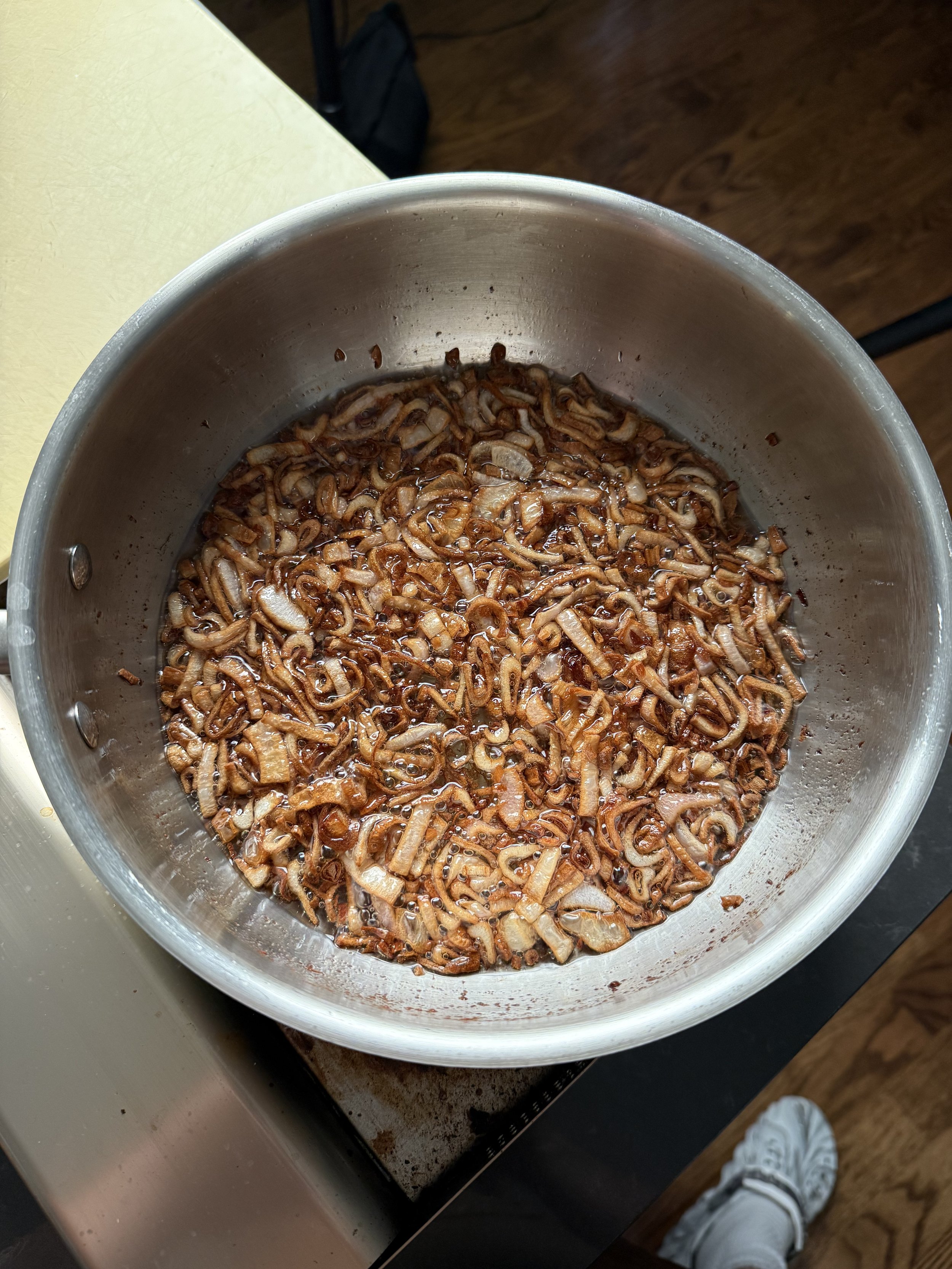
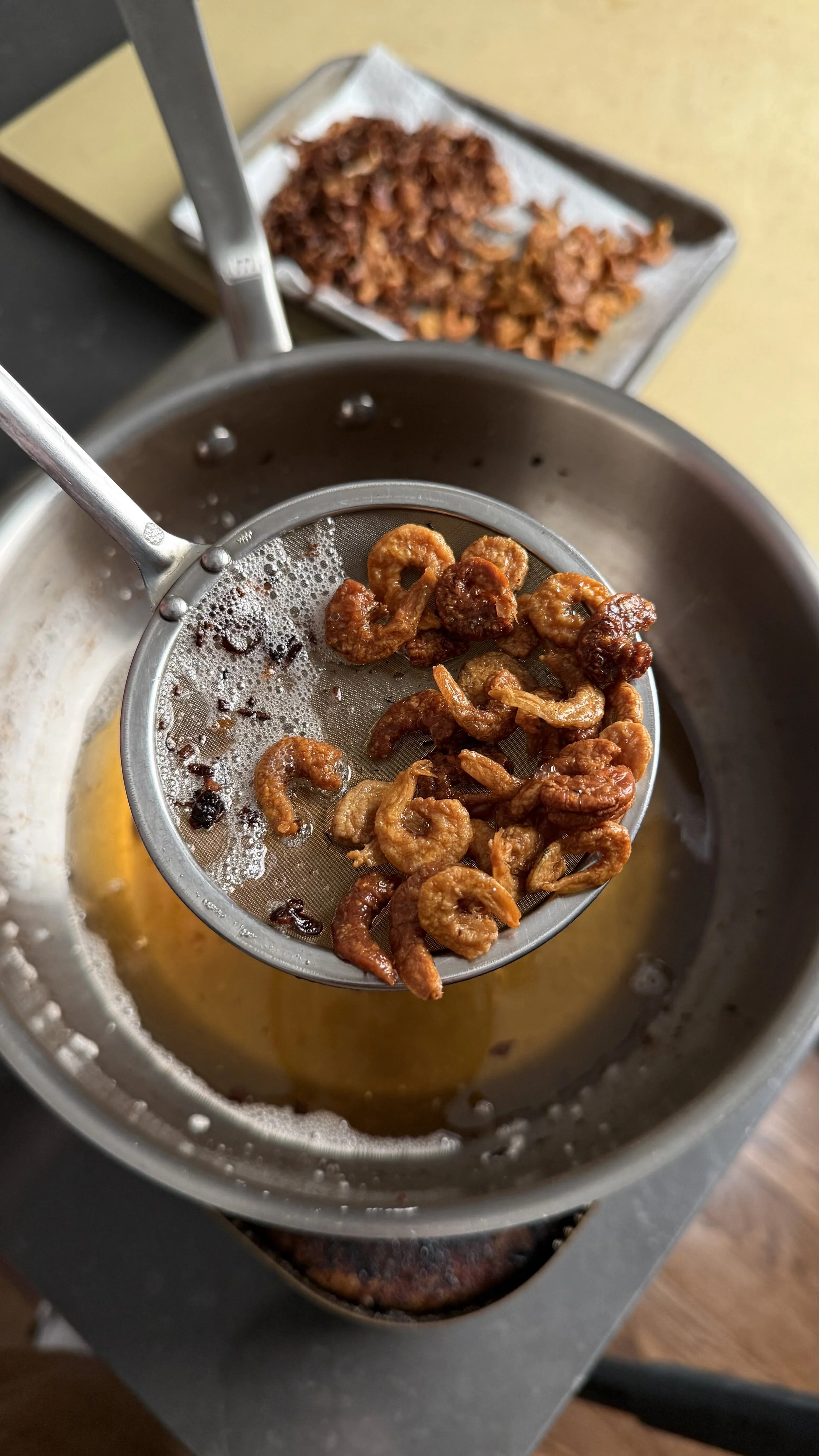
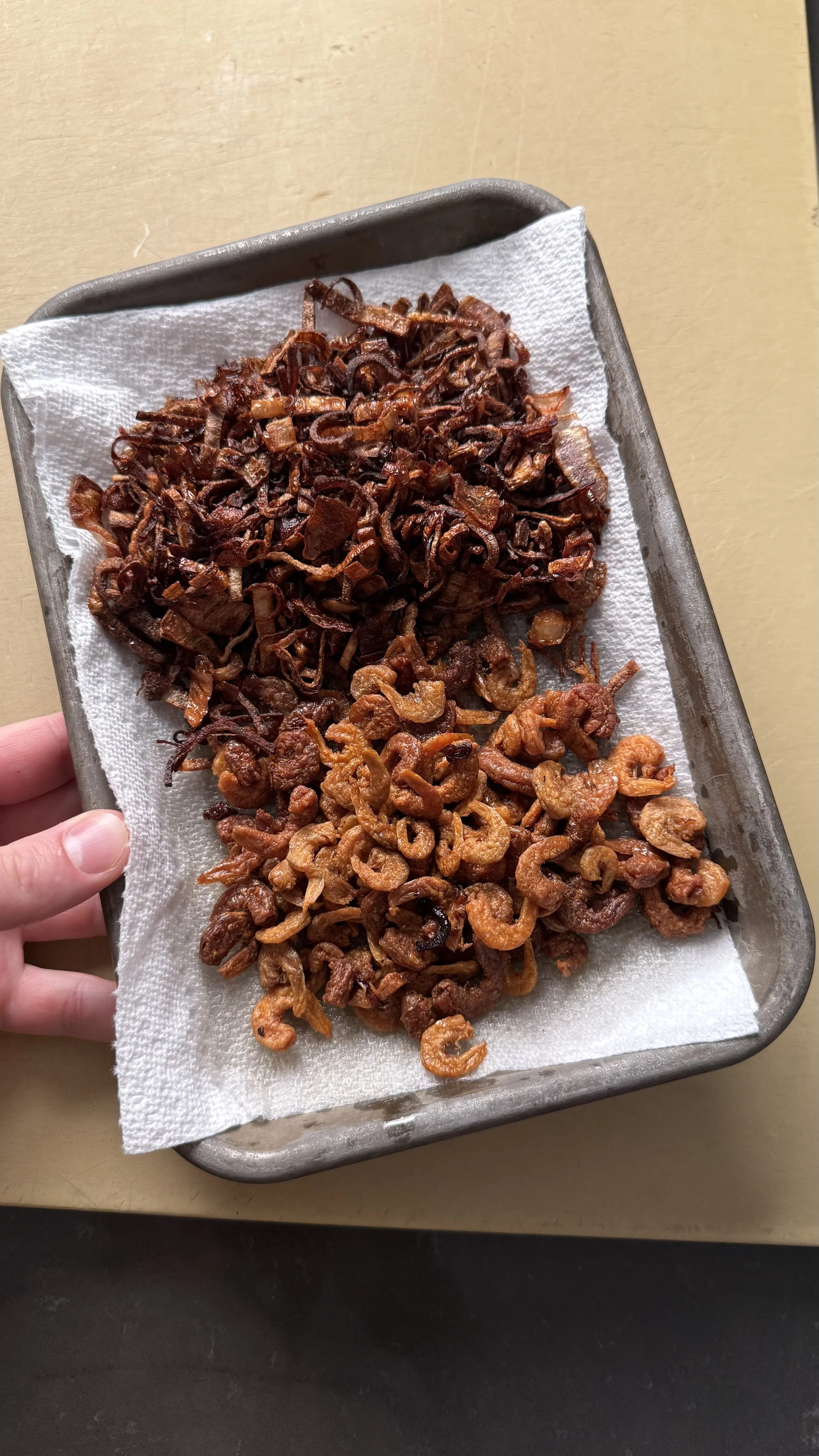
A big differentiator in my recipe is the shrimp/shallot oil and the crispy shallots/shrimp from said oil. It’s a one-two punch of savory, crunchiness to sprinkle over your noodles. V good indeed. Don’t skip this step.
Stuff I Use...
Here is all of the stuff that I use that’s from this recipe video. If what you’re looking for isn’t listed then you can check my Amazon storefront to see if you can find it there. If you’re still having trouble, shoot me a DM on Instagram, comment on the YouTube video or ask in Discord and I’ll do my best to get back to you.
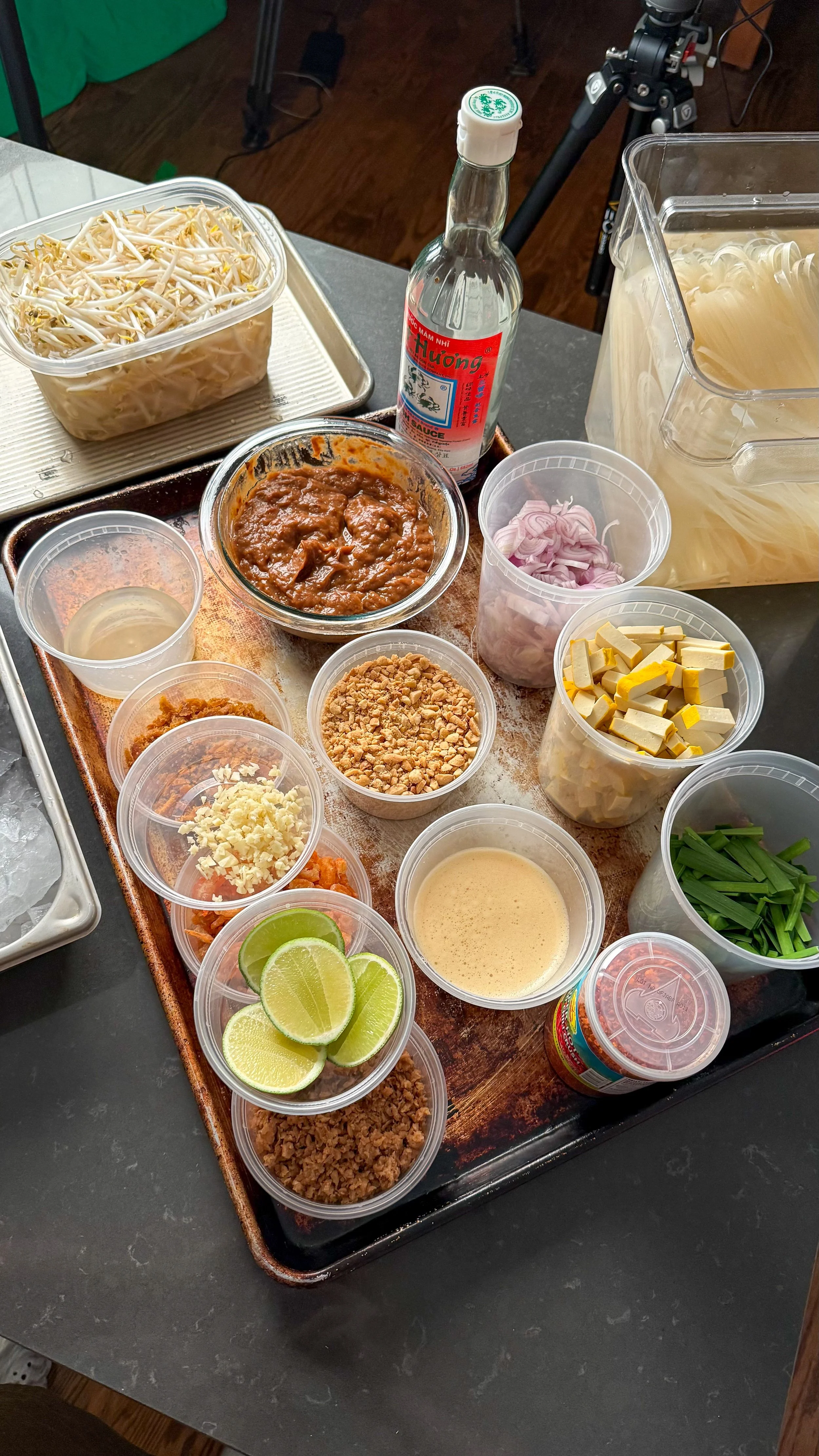
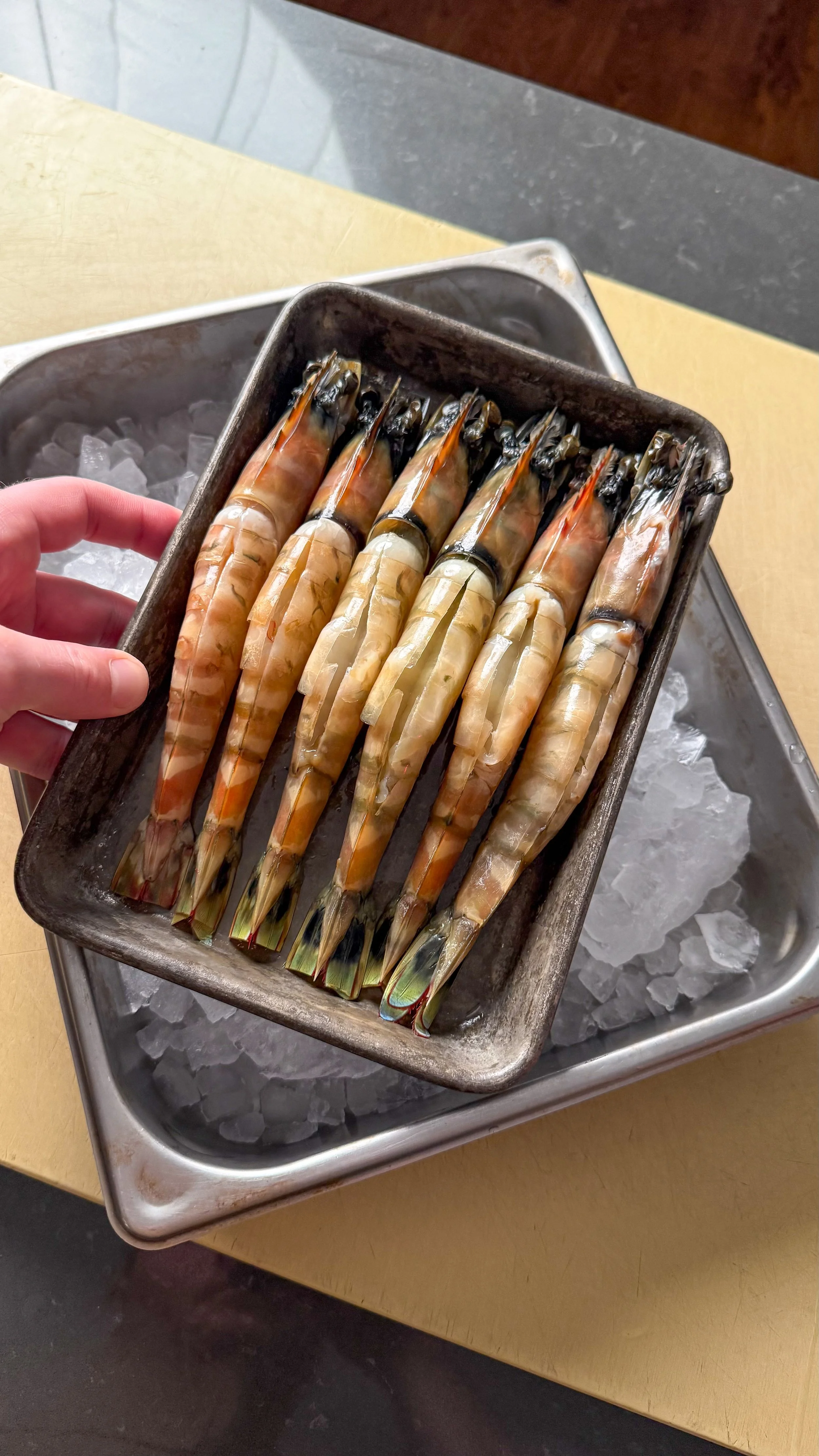
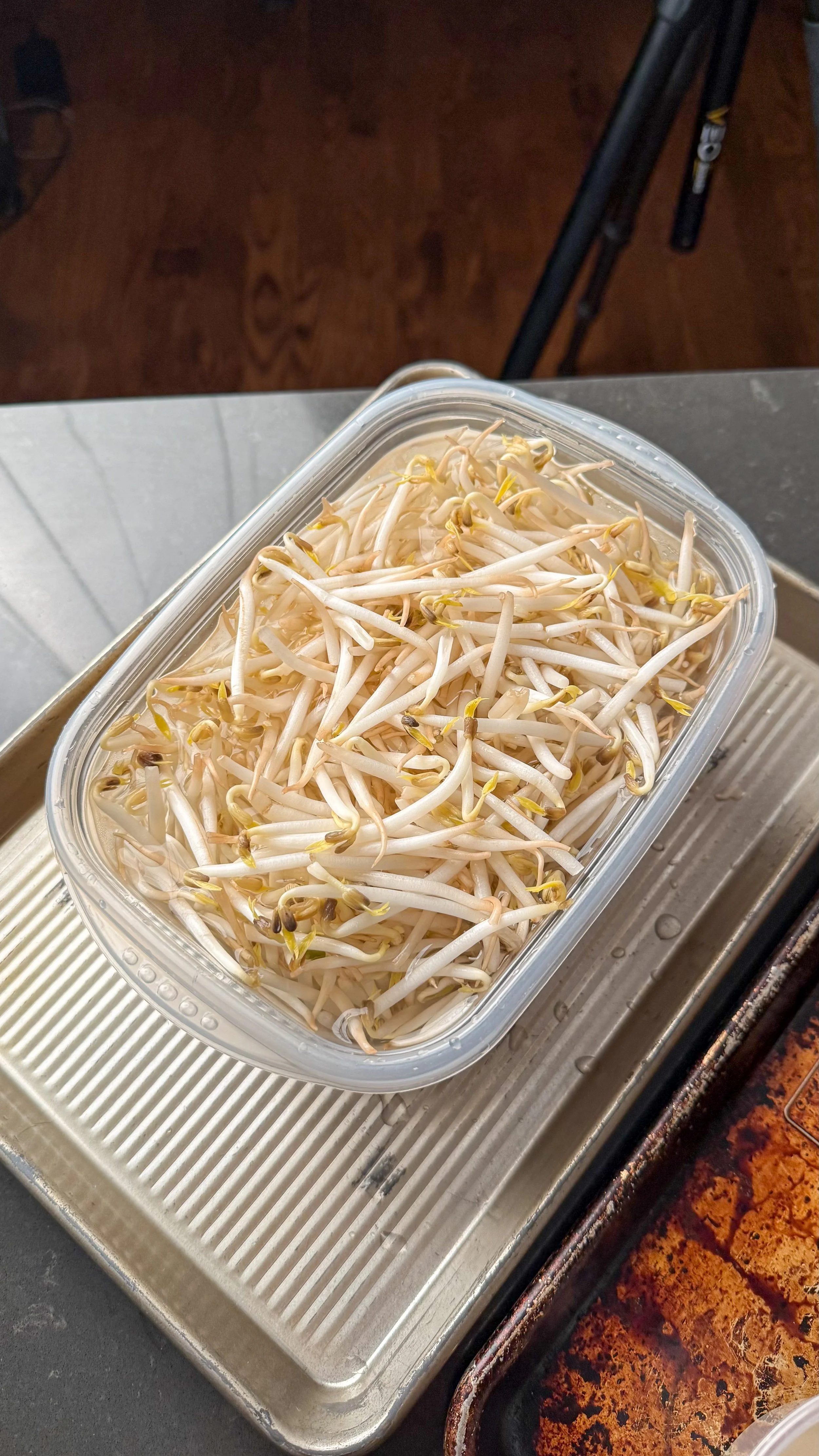
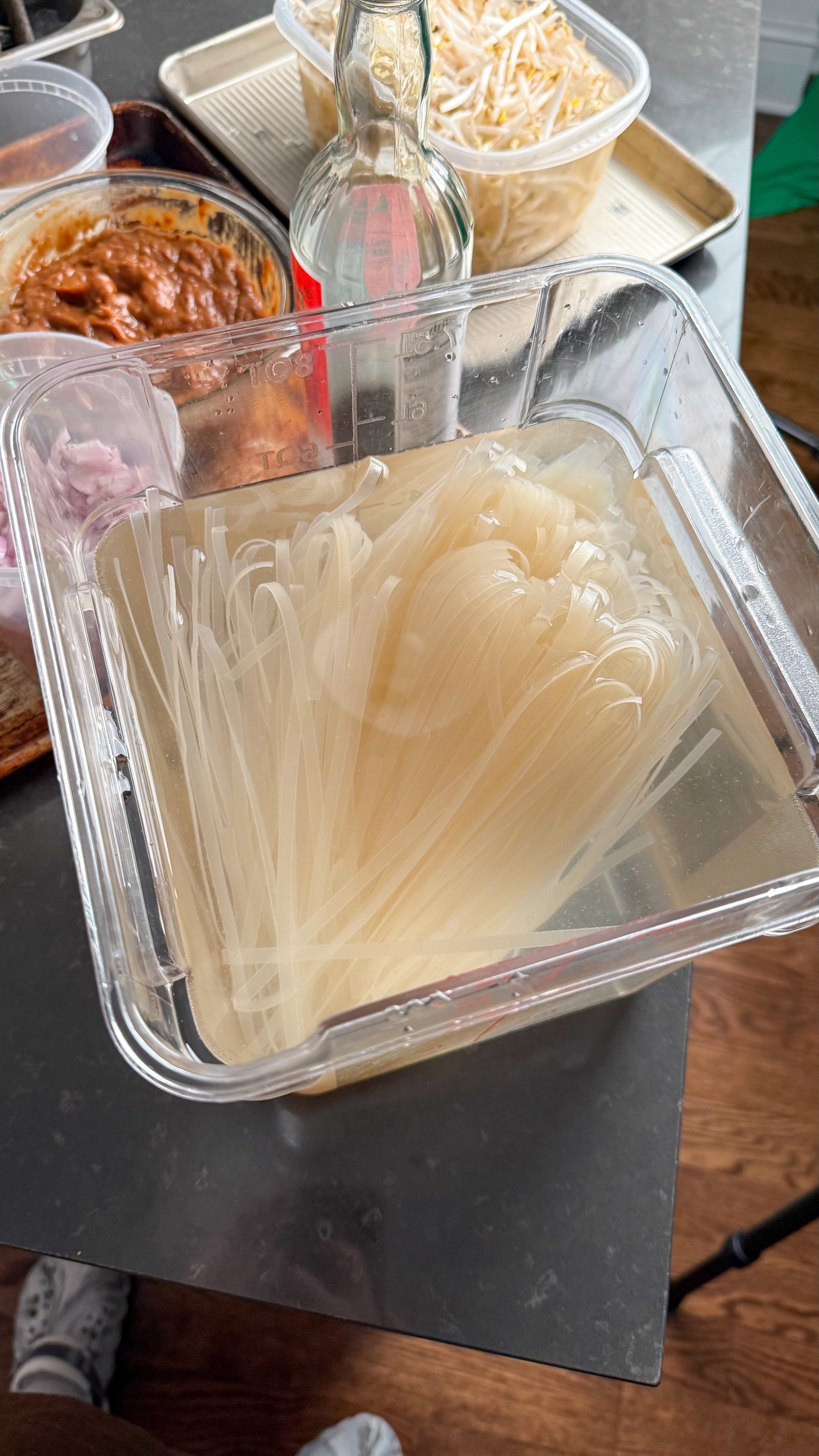
It’s important to have all your ingredients at the ready when stir-frying.
Pad Thai
Ingredients
Instructions
- 1. In a small bowl, combine the tamarind paste with a dash of hot water. Use the back of a fork to smash the puree into the water. Whisk until a clumpy mixture forms, being careful not to make it too loose. Boom, now you have your tamarind paste.
- 2. In a medium saucepan over medium heat, melt the palm sugar. Carefully add the tamarind paste; it can sizzle and splatter, so watch yourself. Add the fish sauce, lime juice, and chili flake. Whisk into a chunky sauce, then transfer to a heat-proof bowl. Set aside to cool while you stir-fry.
- 3. In a large wok over medium heat, fry the shallots and dried shrimp in the neutral oil until the shallots turn crispy. Use a slotted spoon to remove the shallots and dried shrimp and set aside for topping later.
- 4. Add the fresh shrimp to the oil and cook until pink and cooked through. Remove the shrimp and pour the shrimp-infused oil into a heat-proof container.
- 5. Bring the wok to high heat until it just starts to smoke. Add a little of the reserved shrimp oil, then the garlic, and cook until lightly caramelized. Add the tofu and cook a minute more. Add the sweetened fermented radish and stir-fry another minute. Drizzle a smidge more shrimp oil around the rim of the wok, then pour in the eggs and stir-fry them into the mix.
- 6. Straight from the soaking bowl, add the noodles and stir-fry 2-3 minutes. Add the tamarind sauce and stir-fry another 1-2 minutes, until the sauce disperses and the noodles take on a gorgeous brown hue.
- 7. Toss in the garlic chives, bean sprouts, and half of the crispy shallot and dried shrimp mixture. Stir-fry about 30 seconds, just until everything is mixed in.
- 8. Transfer to a serving dish and set the cooked fresh shrimp alongside. Garnish with crushed peanuts, as much of the remaining crispy shallot and shrimp mix as you like, and a wedge of lime. Serve with a fried egg if you want.
Adam's Notes
- Stir-frying is fast by nature, and this dish comes together in a flash, so it's VERY important that everything is prepped, measured, and within arm's reach before the wok gets hot. Mise en place isn't optional here.
- Wok hai (the "breath of the wok") is that faint smoky char you get when screaming-hot metal hits food fast. Home burners don't put out restaurant BTUs, so stack the deck: get the wok ripping hot before anything goes in, cook in batches so you never crowd and cool the pan, keep everything moving, and let the food kiss the metal between tosses. A carbon-steel wok helps, and if you've got an outdoor burner or your highest flame, use it.
- I prefer tamarind puree (paste) for texture because concentrate can run a little thin. You can absolutely use concentrate if that's what you've got; just go easy on the water when you loosen it and taste as you go, since concentrate packs a sharper punch.
Disclaimer: I earn commission income with qualifying purchases made through Amazon’s Affiliate program and other affiliate links in this description.
