

Philly Cheesesteak
Every recipe online claims to be the authentic Philly cheesesteak, which is a little funny, because the sandwich has been a moving target since the day it showed up. In the early 1930s a couple of brothers named Olivieri were running a hot dog cart in South Philadelphia, right by the Ninth Street Italian Market, and one afternoon they threw thin sliced beef and onions on the griddle instead. That was the whole thing. No cheese at all. Cheese didn't join the party for another decade or two, and Cheez Whiz, the single ingredient the entire city treats as holy, wasn't invented until the early fifties, in a lab, as a shortcut for a British cheese toast. So the next time somebody tells you what goes on a real Philly cheesesteak, understand that what they're describing is a personal preference with an excellent publicist.
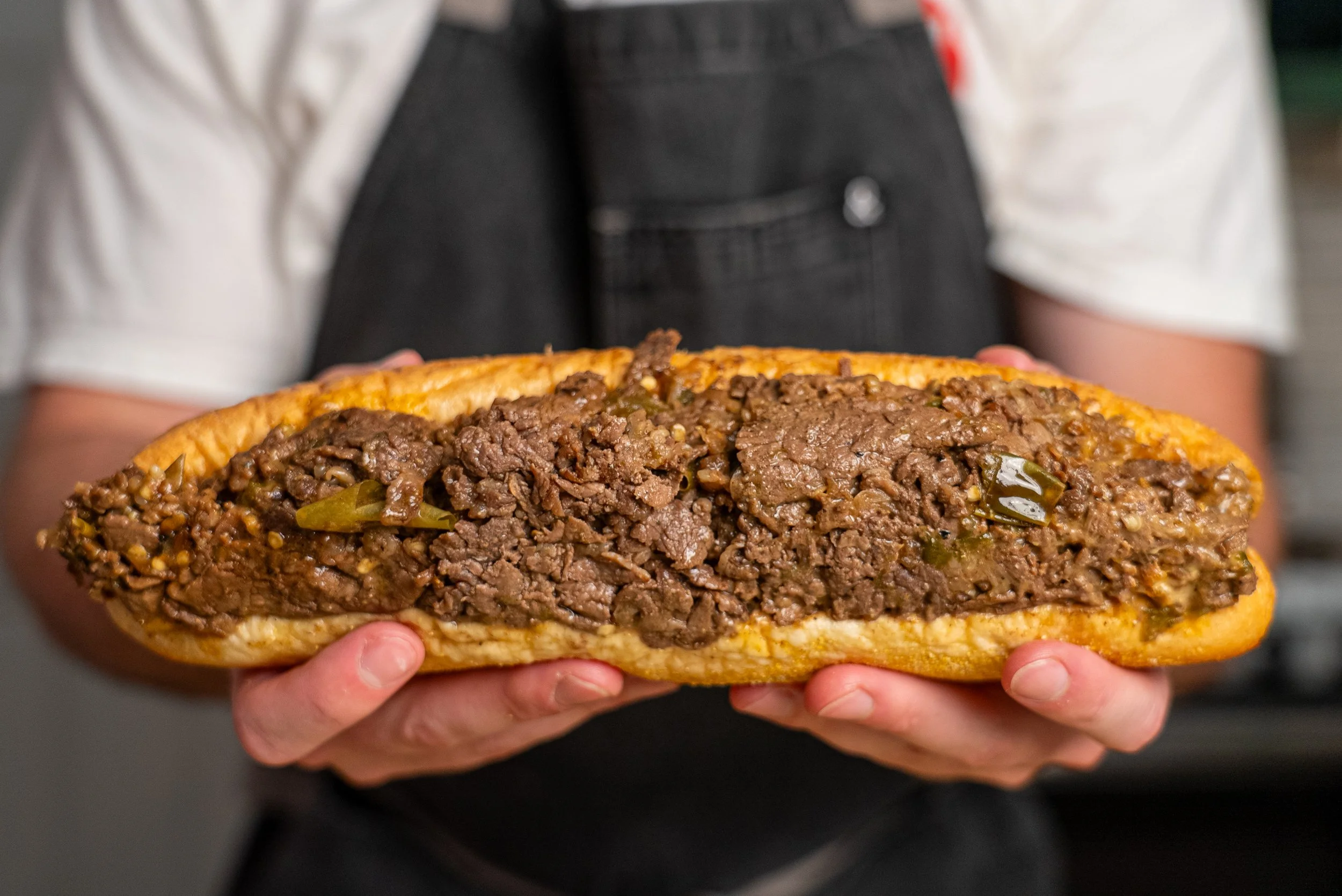
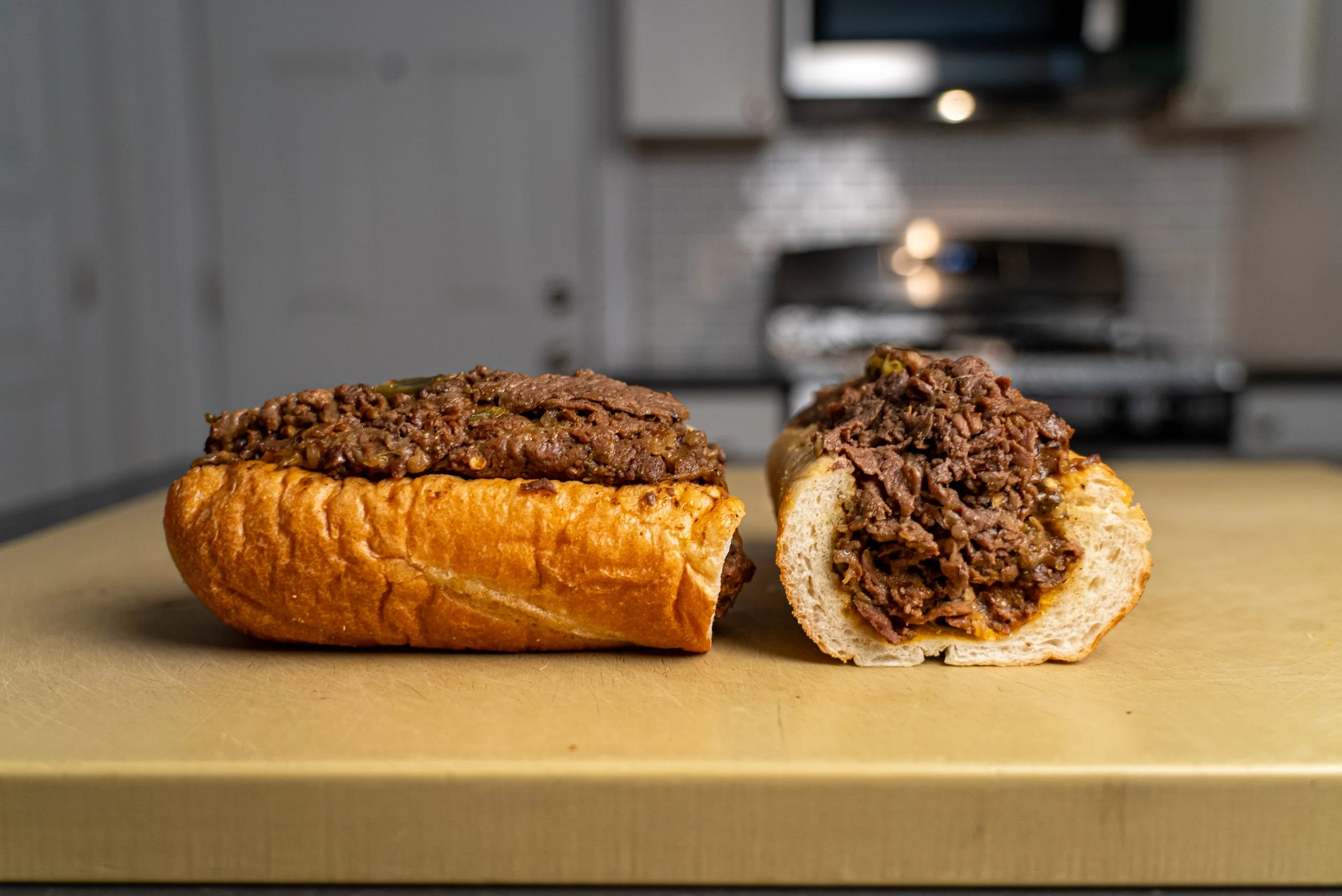
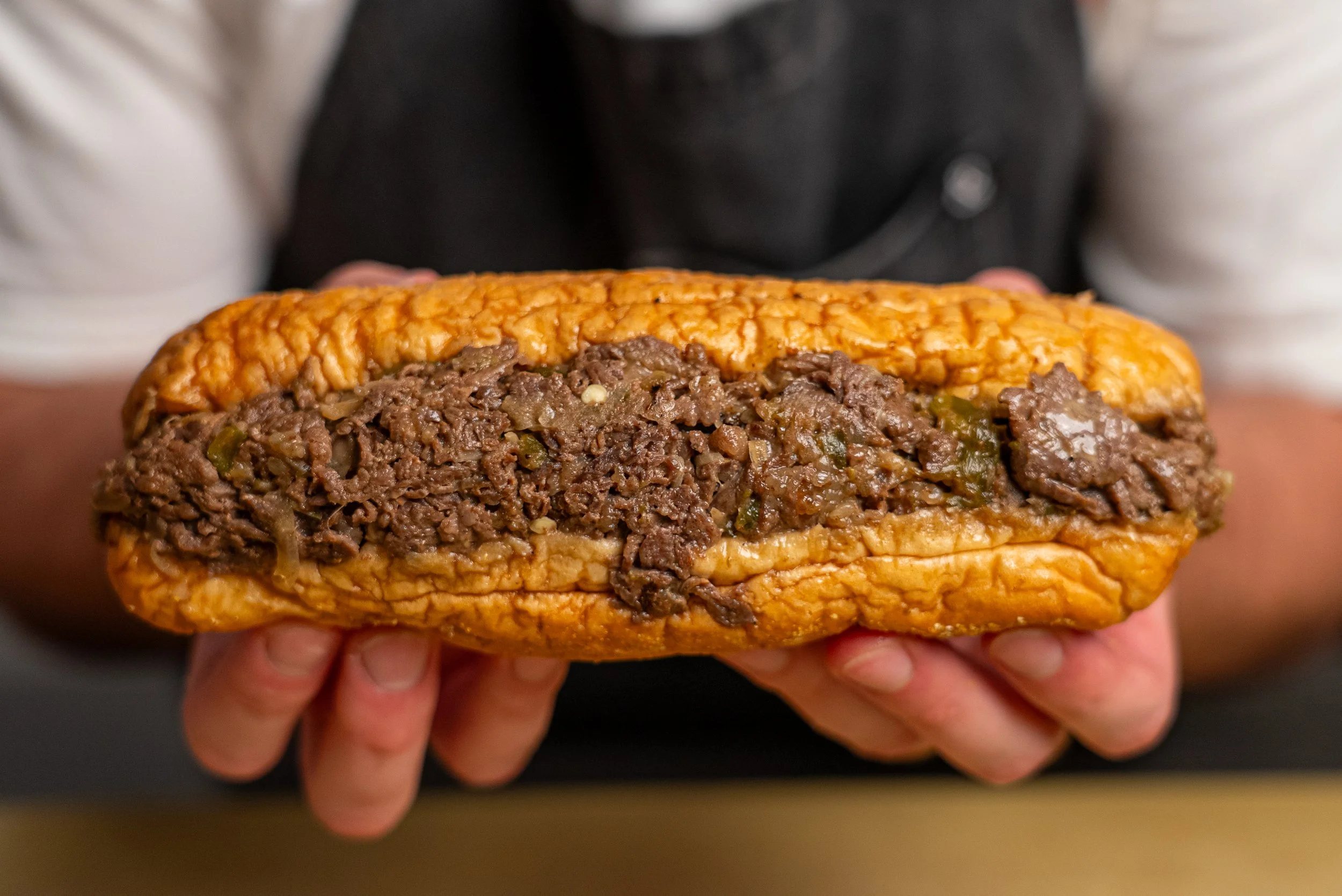
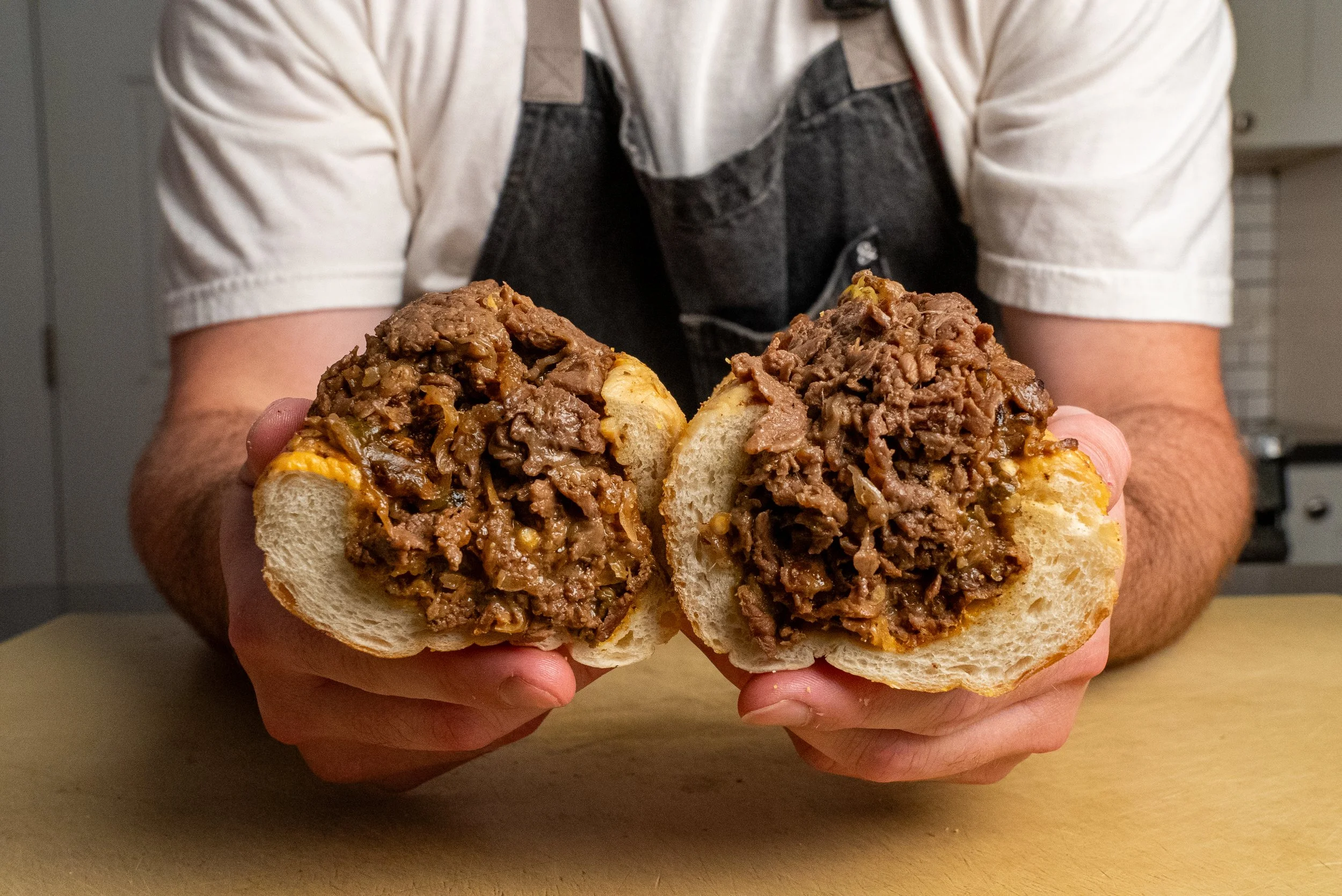
Which is good news for you, because it means the goal isn't the correct cheesesteak, it's the best one. This homemade Philly cheesesteak recipe starts with sesame seed hoagie rolls baked from scratch, because the roll is structural and most supermarket versions turn to wet paste by bite three. From there it's ribeye sliced thin, yellow onions cooked down until they're deeply caramelized, and the two chopped together on a ripping hot cast iron skillet or flat top griddle so the beef browns instead of steaming in its own juice. The cheese goes on at the end and melts under cover, and you get to pick your religion: American, provolone, actual Cheez Whiz, or the sodium citrate provolone sauce below, which melts like Whiz and tastes like cheese. Whiz wit, provolone witout, roasted long hots if you're feeling it. It's your kitchen. Nobody's checking credentials at the door.
Stuff I Use...
Here is all of the stuff that I use that’s from this recipe video. If what you’re looking for isn’t listed then you can check my Amazon storefront to see if you can find it there. If you’re still having trouble, shoot me a DM on Instagram, comment on the YouTube video or ask in Discord and I’ll do my best to get back to you.
Sodium Citrate (for cheese sauce)
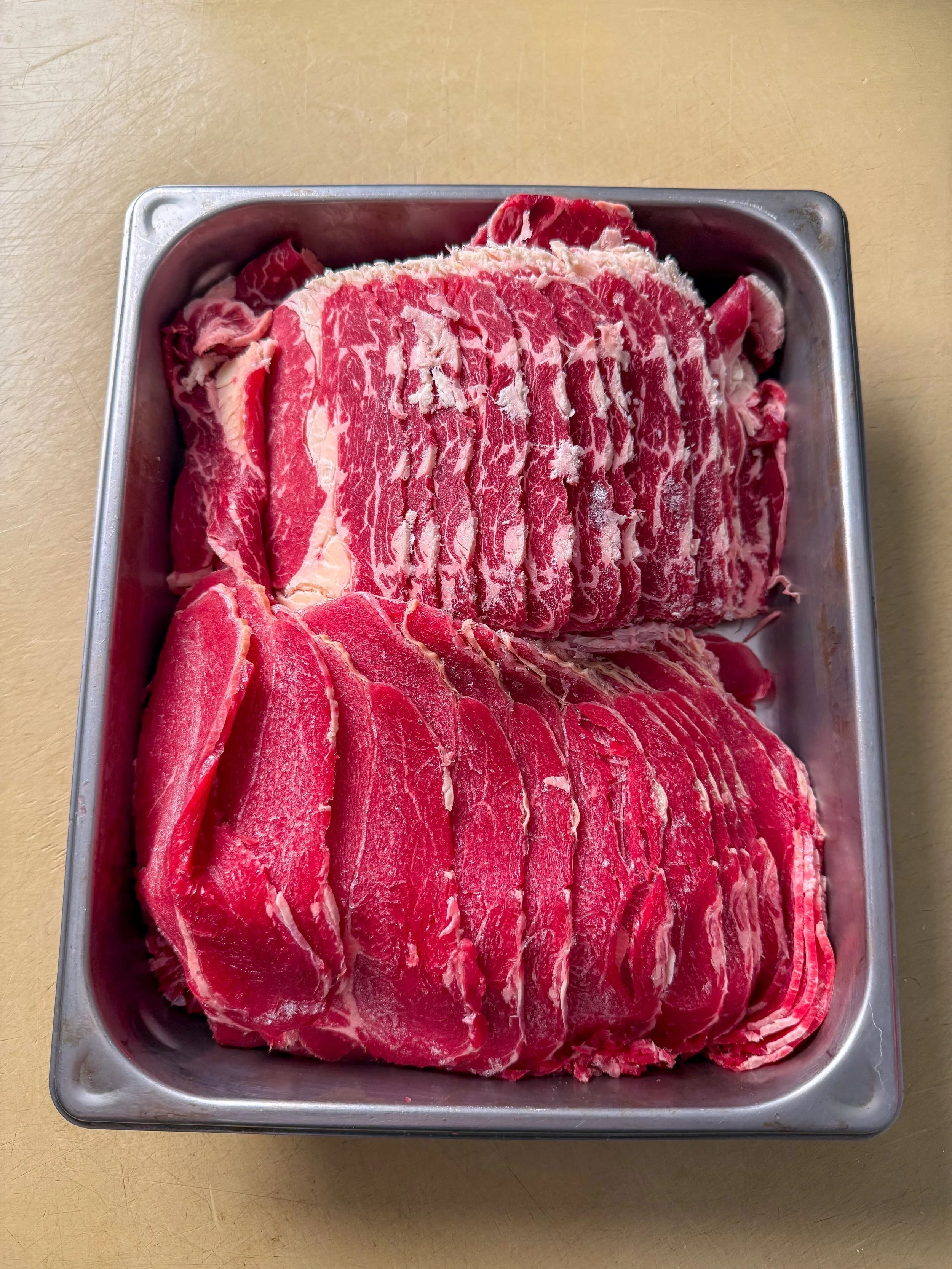
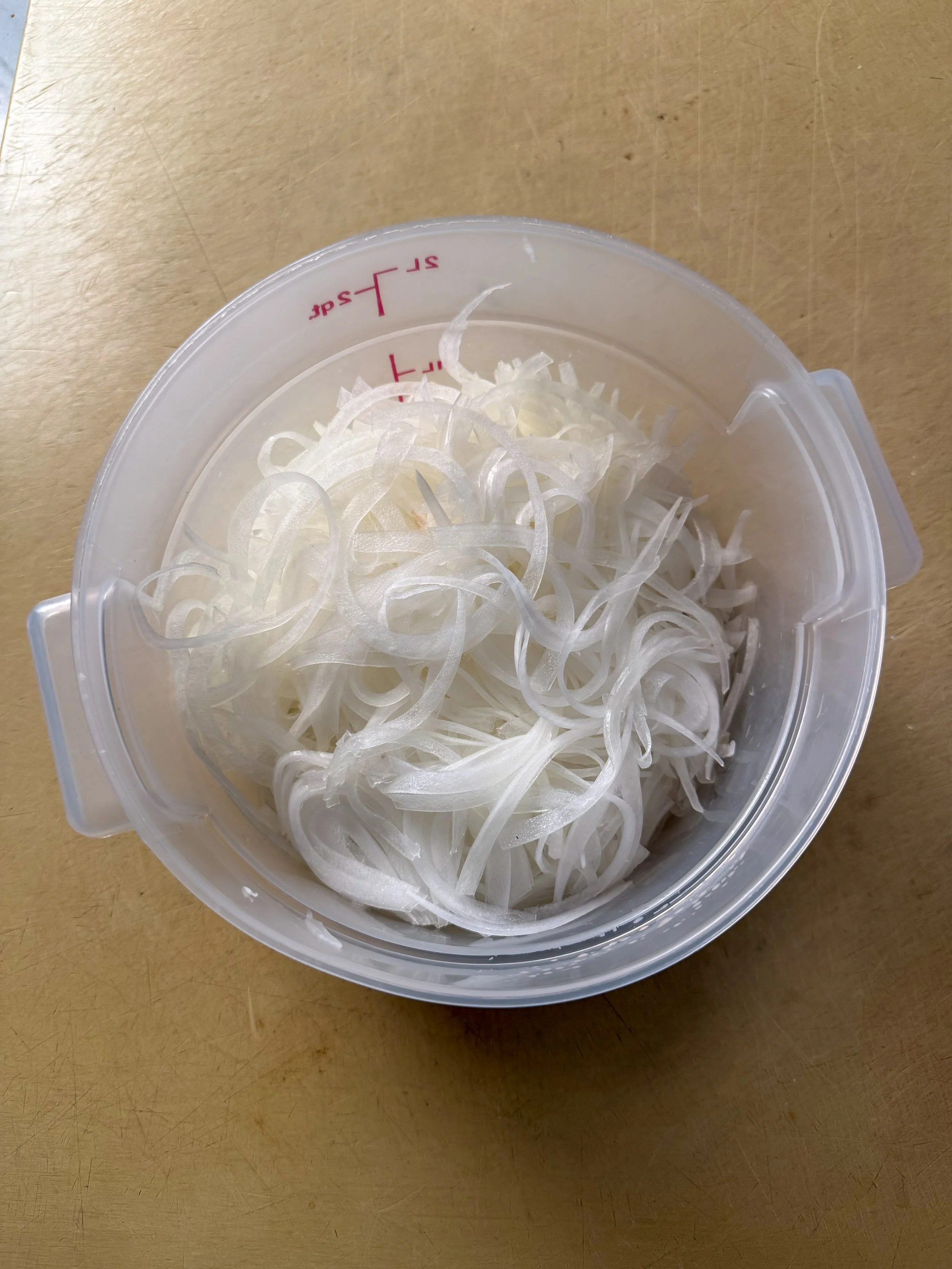
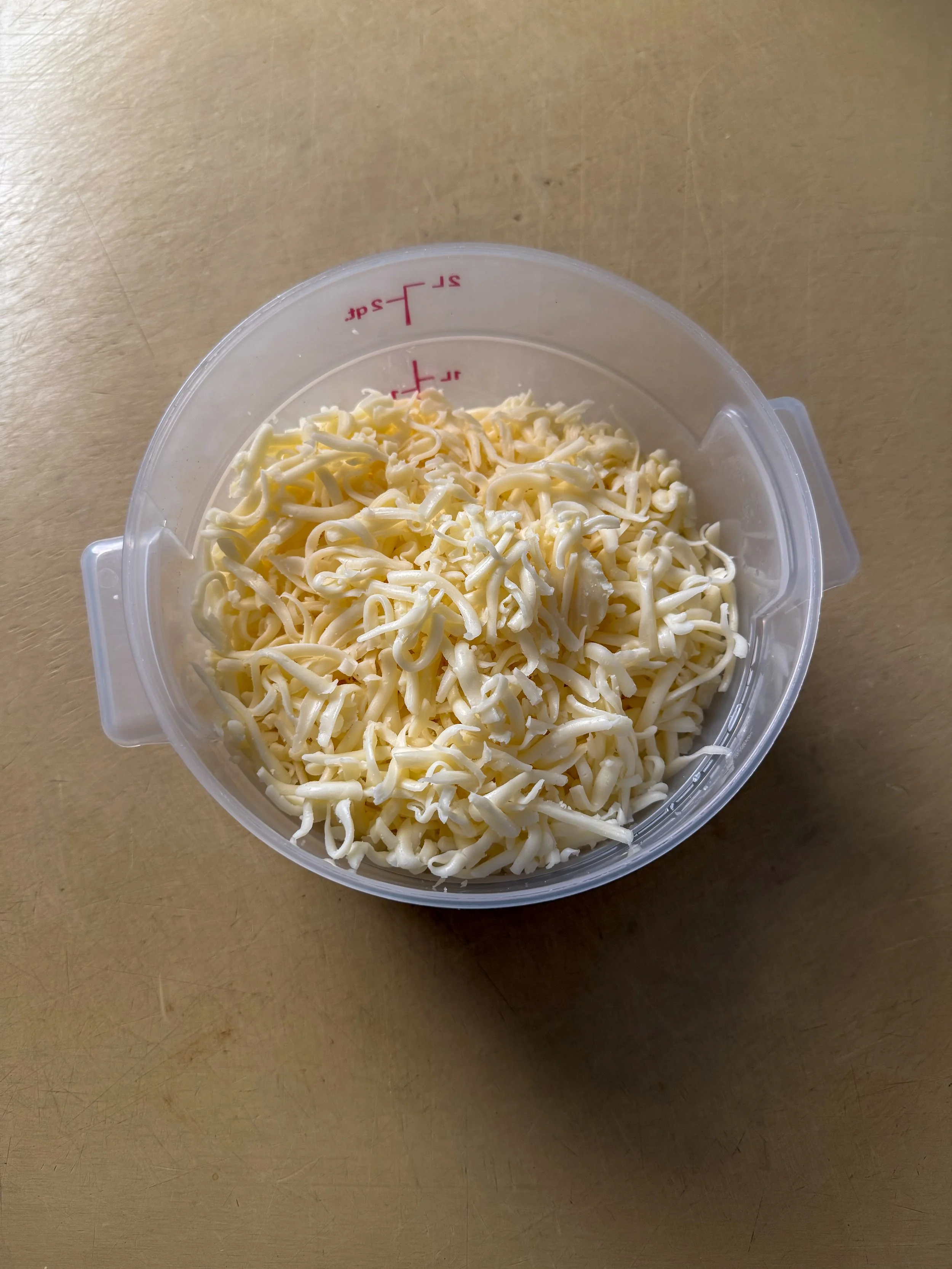
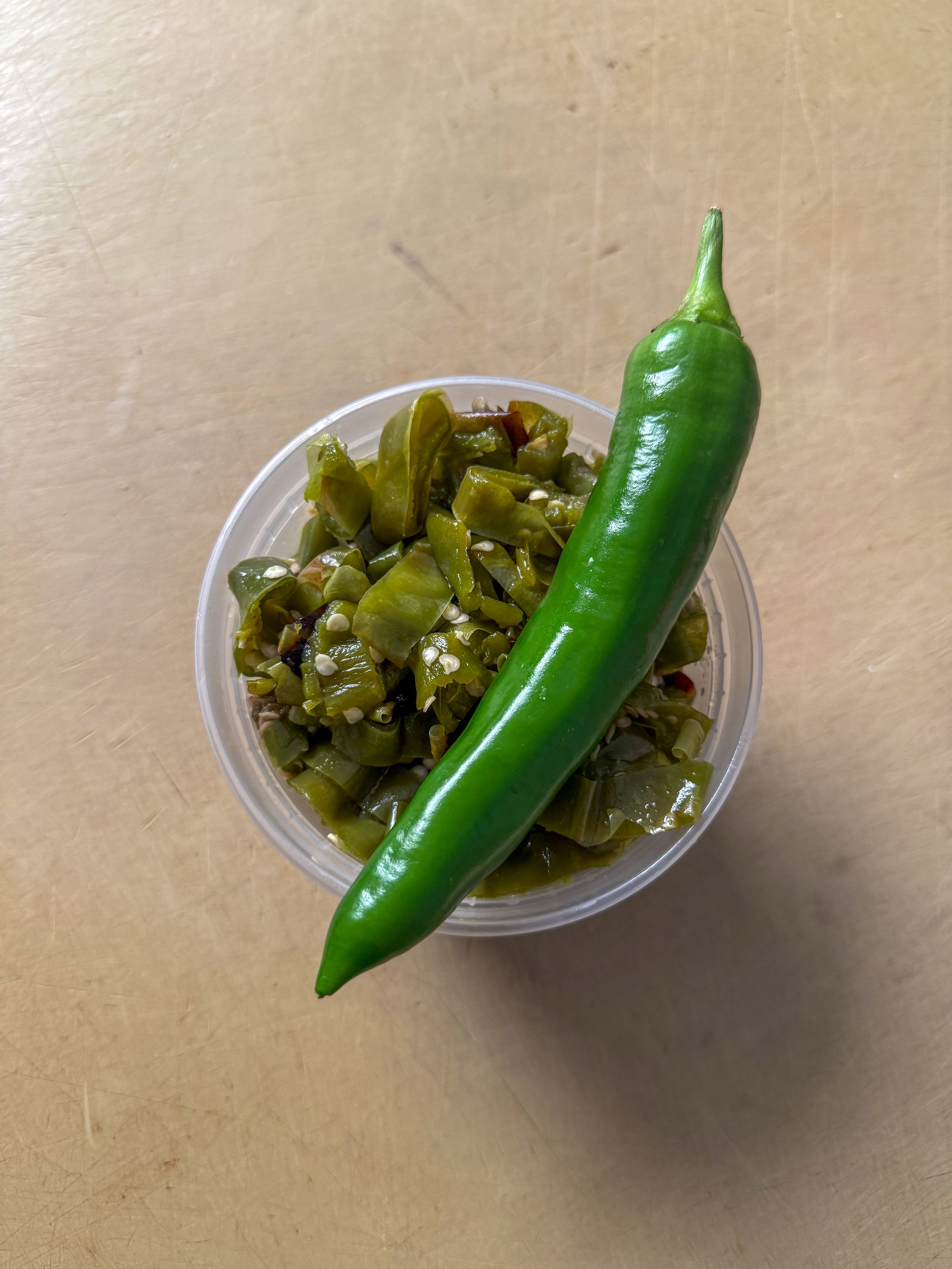
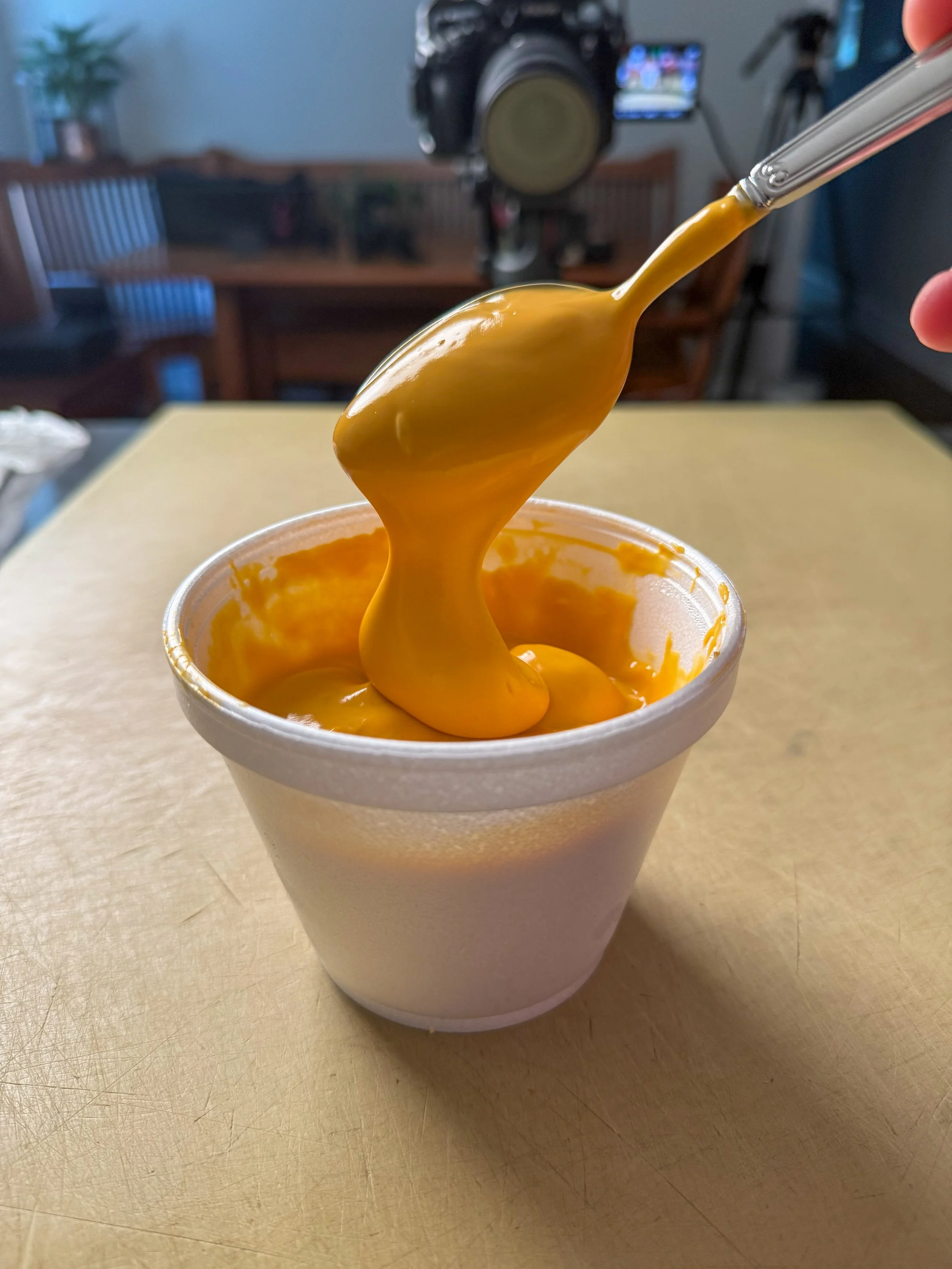
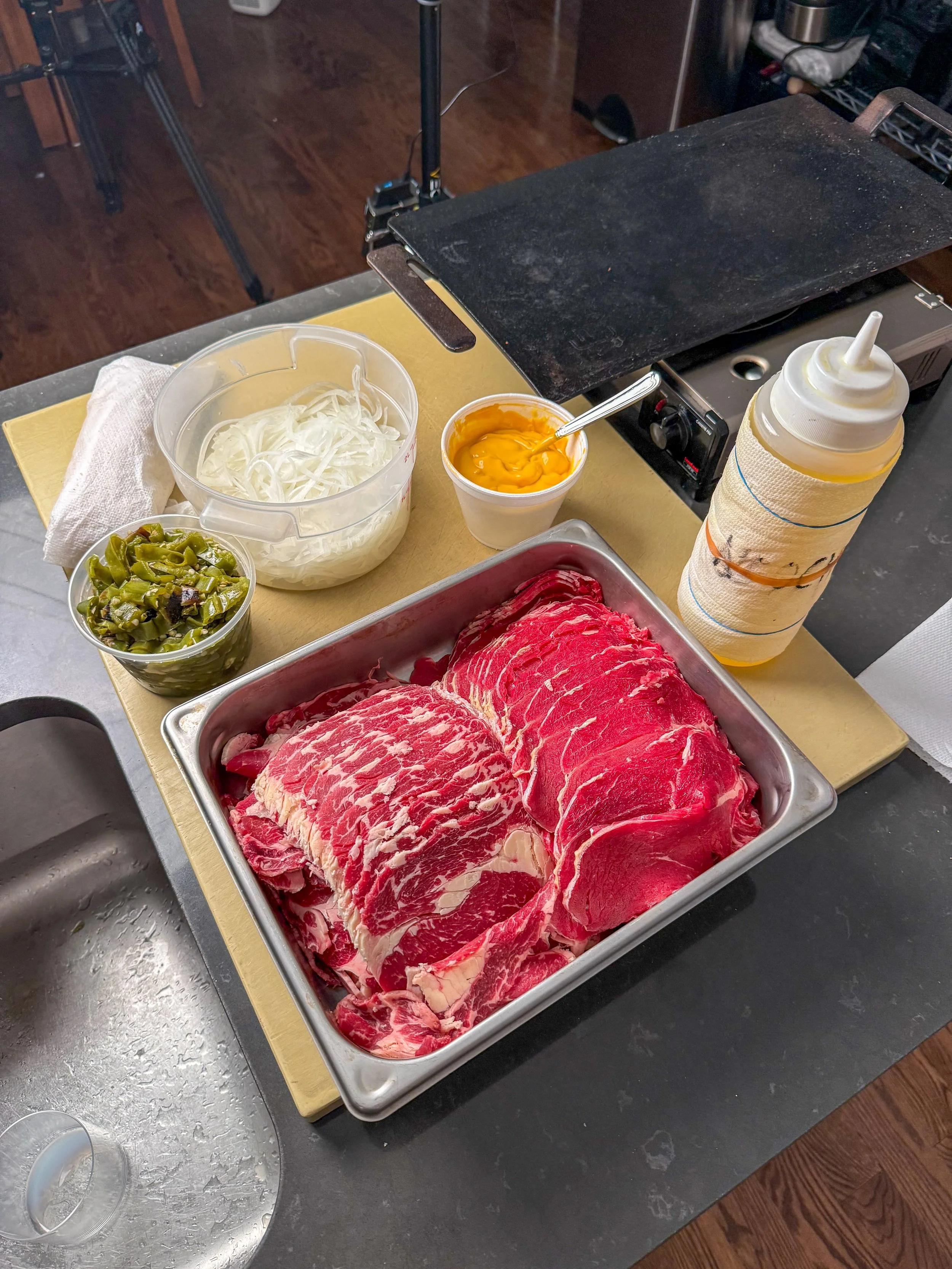
(left) sliced ribeye, sliced onions, grated provolone, Roasted Italian “long hot” peppers, Cheez Wiz, Philly mise en place.
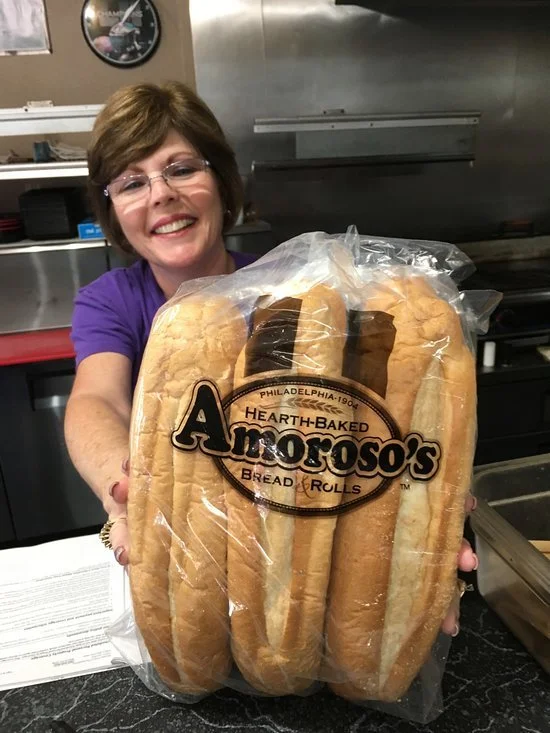
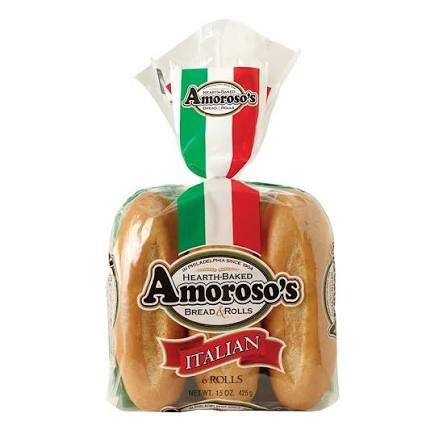
According to my friends in Philly, the steak sandwich must be made on an Amoroso bun or something similar. These buns are sturdy, yet extremely tender and soft. They adhere perfectly to the beef. However, saying you “need” it goes against my mantra in the kitchen and you can totally make a great philly without it. Use what YOU have. Here’s a recipe that I made for similar Philly-style rolls for a cheesesteak. 👇🏼
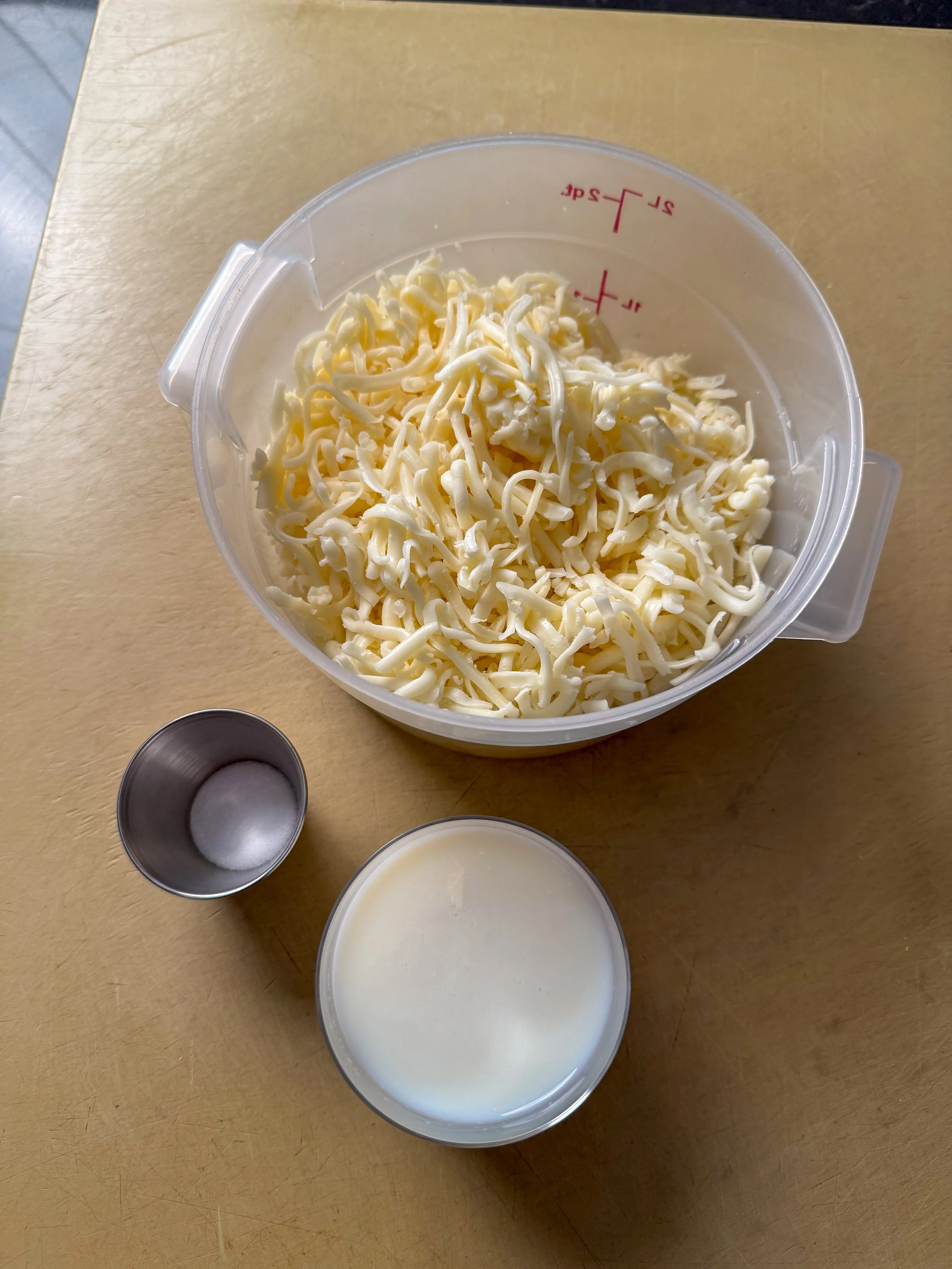
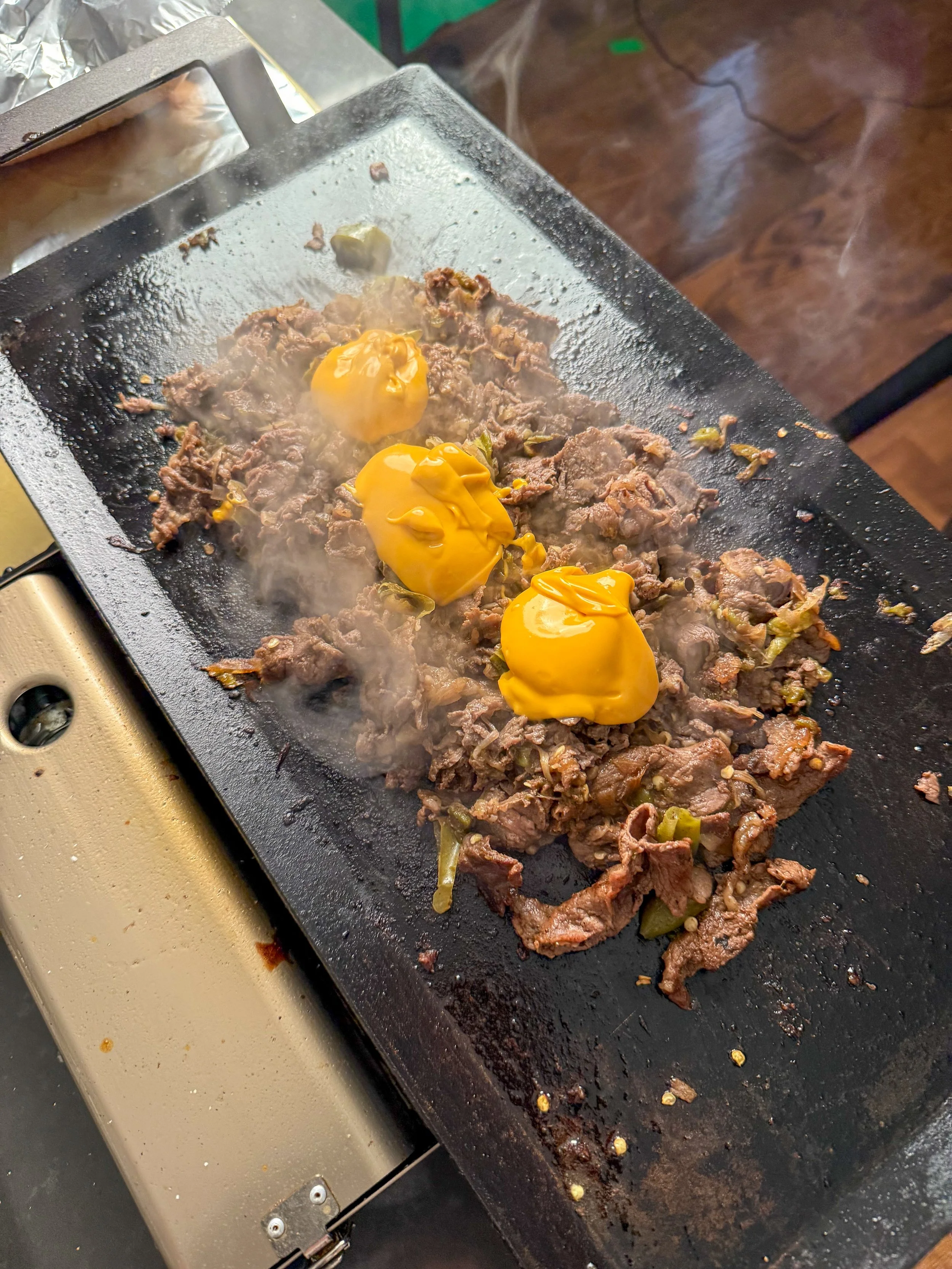
(left) My provolone Cheese Sauce ingredients (right) a cheesesteak “wiz wit” is born.

The Philly Cheesesteak
Ingredients
Instructions
- Get a cast-iron skillet or plancha screaming hot over high heat and add the onions, cooking until browned. Add the ribeye and a pinch of salt, then use two spatulas to chop the beef into the onions, working it until the steak is deeply caramelized and cooked through. Gather the mixture into a long rectangle about the size of your roll, lay on the Italian long peppers if you are using them, top with the cheese, and cover so it melts. Set the open roll crumb-side down right on top of the melted cheese and beef. Scrape under the meat with your spatula while pressing down on the bread, then carefully flip the whole thing so the cheese lands on the bottom. Serve hot.
- Mix water, yeast and flour in the bowl of a stand mixer. Mix until a shaggy dough forms, then let sit for 15 minutes.
- Add the salt and continue mixing on medium-high for 3 minutes then add the crisco in three increments waiting until the fat has fully worked into the dough before adding more. Continue mixing until a smooth, shiny dough ball forms, about 5-10 more minutes.
- Shape the dough into a ball, then put in a large bowl and cover with plastic wrap. Allow the dough to bulk ferment at room temperature for 1 ½ - 2 hours, or until it doubles in size. Meanwhile, preheat the oven to 500F with a baking steel situated on the center rack. Also place a baking dish in the oven to preheat, this will act as a lid to help keep the steam in the oven.
- Using a scale or by eye, divide the dough into 3 even pieces on a clean surface then shape into a ball. Palm flat and lightly pull the dough ball until it forms a flat oval and allow it to rest for 10 minutes covered.
- Shape each piece of dough into a roll shape, then seam side up and dip them into cornmeal to coat the bottom. Transfer each cornmeal dusted roll to a large parchment-lined baking tray then cover and allow to proof for 30-45 minutes, or until they pass the “finger dent test”.
- Optionally spray the rolls with water, then sprinkle on sesame seeds. Score the rolls down the middle.
- Carefully slide the rolls from the parchment onto the baking steel in the hot oven. Add 3 ice cubes next to the rolls then cover with the preheated baking dish. Bake the rolls for 12 minutes, then remove the baking dish and cook for 5 more minutes, or until golden brown and they sound hollow when tapped on the bottom.
- To ensure the rolls do not crack while cooling, turn the heat off, crack the oven halfway and let the rolls cool off of the hot baking steel by using a wire rack.
- Slice the rolls on the side and hollow out 75% of the crumb to prepare for building the hoagie. The bread innards made for great breadcrumbs.
- Grate the provolone on the large holes of a box grater. Grating matters here: more surface area means it melts fast and even, before it has a chance to seize or turn stringy. Let it sit out while you get everything else going so it isn't fridge-cold.
- Add the whole milk to a saucepan, whisk in the sodium citrate, and bring it up to a gentle simmer over medium heat, whisking until the sodium citrate is fully dissolved. This part is not optional: you want it completely in solution before any cheese goes in, or you will get grainy little pockets later.
- Drop the heat to medium-low and start adding the grated provolone by the handful, whisking constantly and letting each addition melt and disappear into the sauce before you add the next. Keep going until all the cheese is in and the sauce is glossy, smooth, and pourable. For glass-smooth, restaurant-level results, hit it with an immersion blender for a few seconds to knock out any last graininess.
- Kill the heat, taste, and season with a little salt only if it needs it, since provolone brings its own. If the sauce is thicker than you want, whisk in a splash more warm milk to loosen it. Serve warm. It reheats beautifully over low heat or in short bursts in the microwave, with another splash of milk to bring it back.
Adam's Notes
- Diastatic Malt Powder (1-3% of flour weight) is added to increase browning. It's optional, but your rolls won't be as deeply browned without it.
- Soy Lecithin powder (1% of flour weight) helps the bread stay fresh and soft longer without going stale. Soy lecithin powder is an emulsifier which helps the bread hang on to moisture from the added fat so it doesn’t stale as quickly.
- This recipe is an adaptation from Charlie Anderson's work.
- What the sodium citrate is doing: it is the sodium salt of citric acid. It nudges the cheese's pH up and lets the casein proteins grab fat and water at the same time, so the sauce stays a stable, silky emulsion instead of breaking into a greasy, stringy mess. It is the exact same trick that makes processed cheese like Cheez Whiz so smooth, just done with real provolone.
- Grate from a block. Pre-shredded cheese is coated in anti-caking starch that can leave your sauce grainy, which is the one thing we are trying to avoid.
- Provolone type changes everything. Young provolone (provolone dolce) is mild and stretchy. Aged provolone (provolone piccante) is sharper and gives you far more flavor in the sauce.
- Liquid swaps: whole milk gives the creamiest, most Whiz-like body. Water keeps the cheese flavor cleanest and sharpest. A light beer (lager or wheat) leans it toward pub beer-cheese.
- Want more tang or that pale-gold Whiz color? A pinch of ground mustard or cayenne, or a few drops of hot sauce, does the tang. Provolone is white, so the sauce stays ivory unless you stir in a little paprika or annatto.
- The ratio: sodium citrate runs about 4% of the liquid by weight. That is why the grams are here. Eyeball it and you risk grainy (too little) or faintly soapy and tart (too much).
Disclaimer: I earn commission income with qualifying purchases made through Amazon’s Affiliate program and other affiliate links in this description.
